Ars Musica Chicago

Program

  • Philipp Friedrich Böddecker (1607-1683)
- Sonata a Violino Solo, from Sacra partitura (1651) (7’)
  • Francesco Antonio Bonporti (1672-1749) - Aria Cromatica e variata (1726) (5’)
  • Arcangelo Corelli (1653-1713) - Violin Sonata in C Major, Op. 5 Nr. 3 (1700) (11’)
  • I. Adagio
  • II. Allegro
  • III. Adagio
  • IV. Allegro
  • V. Allegro
  • Élisabeth Claude Jacquet de La Guerre (1665-1729) - Violin Sonata No. 1 in D Minor (ca. 1707) (14’)
  • I. [Adagio]
  • II. Presto
  • III. Adagio – Presto – Adagio
  • IV. Presto
  • V. Aria
  • VI. Presto
  • Nicola Matteis (1650-1714) - Diverse bizzarie Sopra la Vecchia Sarabanda ò pur Ciaccona (1676) ) (4’)
  • Philipp Friedrich Böddecker (1607-1683)
 Sonata a Violino Solo, from Sacra partitura (1651)
  • We know little about the Stuttgart keyboardist and composer Philipp Friedrich Böddecker except through a handful of works that include Sacra partitura, a 1651 collection of solo motets and sonatas. His violin sonata is among the first of its kind by a German composer and a masterpiece of the Stylus Phantasticus or “fantastical style”, which the 17th century theorist Athanasius Kircher described as “the most free and unrestrained manner of composing…in which all kinds of otherwise unusual progressions, hidden ornaments, ingenious turns and embellishments are brought forth…with the intent to please, to overtake and to astonish.” These qualities abound in Böddecker’s sonata, with its contrasting sections, tempos, and characters flowing seamlessly from one to another, as if being made up on the spot.
  • Francesco Antonio Bonporti (1672-1749) Aria Cromatica e variata (1726)
  • Francesco Antonio Bonporti was an Italian priest and composer whose music, though relatively obscure today, was evidently known to none other than Johann Sebastian Bach, who copied several of his Op. 10 Inventions, and Georg Philipp Telemann, who published two of Bonporti’s Inventions in Der getreue Musik-Meister. Bonporti’s quirky and at-times tortured Aria Cromatica e variata is every bit as boundary-pushing and unpredictable as works of the 17th century Stylus Phantasticus while still bearing the unmistakable influence of his 18th century peers, including Corelli, with whom he might have studied.
  • Arcangelo Corelli (1653-1713) Violin Sonata in C Major, Op. 5 Nr. 3 (1700)
  • Arcangelo Corelli was an Italian violinist and composer whose innovative Opus 5 sonatas, published on January 1, 1700, profoundly influenced violin playing and compositional styles of the 18th century and beyond. These sonatas represent a departure from the free-form improvisatory styles of the 17th century in favor of a more formulaic structure of distinct and contrasting movements. This can be heard in the slow-fast-slow-fast-fast movement scheme of the Sonata Nr. 3 in C major, which alternates between tender and breathtakingly beautiful Adagios and showstopping Allegros that are dazzling displays of virtuosity.
  • Élisabeth Claude Jacquet de La Guerre (1665-1729) Violin Sonata No. 1 in D Minor (ca. 1707)
  • Élisabeth Claude Jacquet de La Guerre was one of the most celebrated musicians in Baroque France. Born into a respected family of harpsichord builders, she made her debut at the French court as a five-year-old and astounded Louis XIV, who took her under his wing and nurtured her musical gifts. She was considered equal to the greatest French musicians of her time and praised by Louis XIV for her originality. This quality is evident in her violin sonatas, which resemble earlier 17th century sonatas with their many interconnected sections featuring inventive and beguiling melodies, unpredictable harmonies, irregular rhythmic patterns, and surprising turns of phrase.
  • Nicola Matteis (1650-1714) Diverse bizzarie Sopra la Vecchia Sarabanda ò pur Ciaccona (1676)
  • Nicola Matteis was one of the earliest Italian musicians to achieve fame in London and considered by the English biographer Roger North to be second only to Corelli in his skill on the violin. Matteis left detailed instructions about violin technique in his four books of Ayrs for the Violin and is credited with shifting English musical tastes from French to Italian in the post-Restoration era. Matteis’s “Diverse bizzarie Sopra la Vecchia Sarabanda ò pur Ciaccona” is a set of florid variations on the four-bar repeating harmonic pattern of the Italian Ciaccona. Program notes by harpsichordist and Artistic Director, Jason Moy

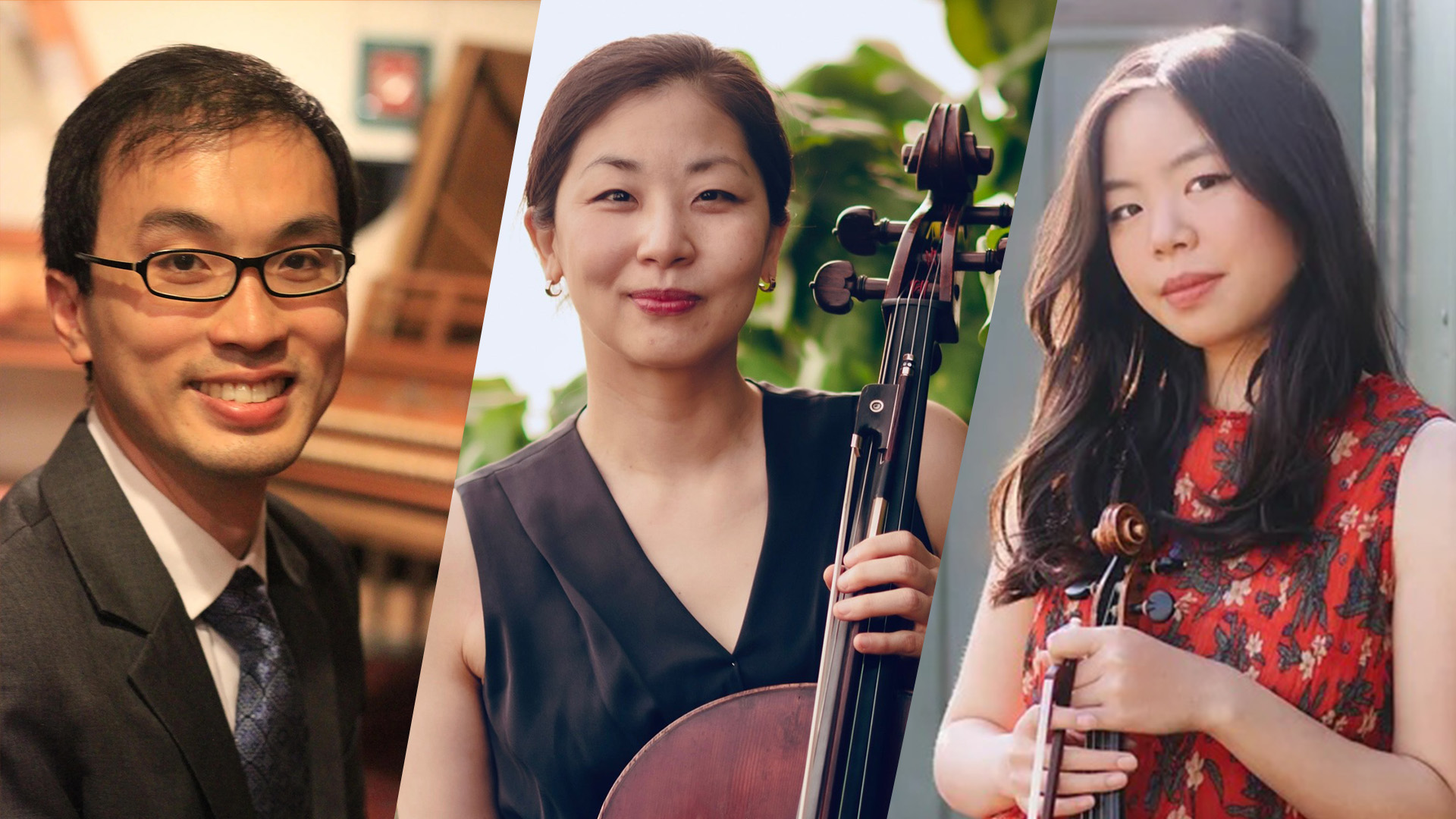
Ars Musica Chicago makes early music relevant and engaging for modern listeners through historically informed performance and educational outreach for all ages. Since its inception nearly 40 years ago, Ars Musica Chicago has presented countless concerts, workshops, and educational programs highlighting the richness and cultural heritage of early music. Under the leadership of its Artistic Director, harpsichordist Jason J. Moy, Ars Musica Chicago has distinguished itself in Chicago’s vibrant early music scene as one of the few ensembles dedicated to period instrument performances of Renaissance, Baroque, and early Classical chamber repertoire. To learn more about Ars Musica Chicago and our upcoming performances, please visit www.arsmusicachicago.org.

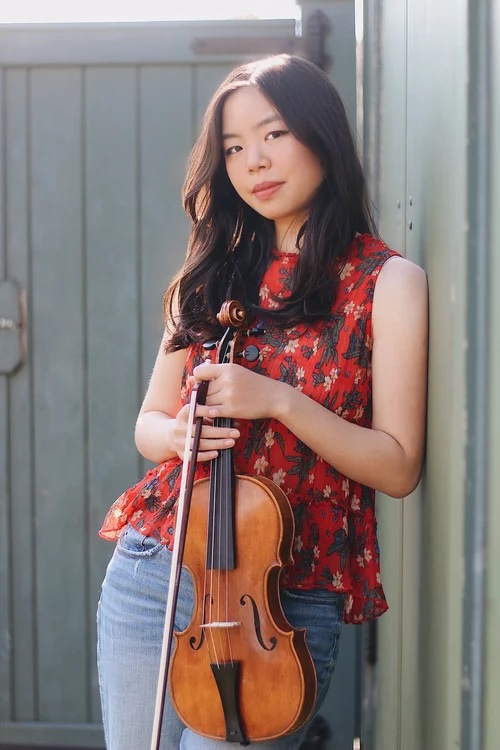
Chicago-based violinist Amelia Sie is sought-after for her exuberant, fiery performances and diverse programming. Previous engagements include a solo recital with Gotham Early Music Scene, The Bohemians: Musician’s Club of New York, and Early Music America, as well as solo performances with the Albany Symphony, Seattle Symphony, and Juilliard415. This 2025-26 season, Amelia looks forward to performing with Ars Musica Chicago and Bach in the City, as well as performances with The Cambridge Society of Early Music as first violinist of the Arrow Quartet. She received her Bachelor and Master of Music in Violin Performance from New England Conservatory, and her Master of Music in Historical Performance from The Juilliard School.
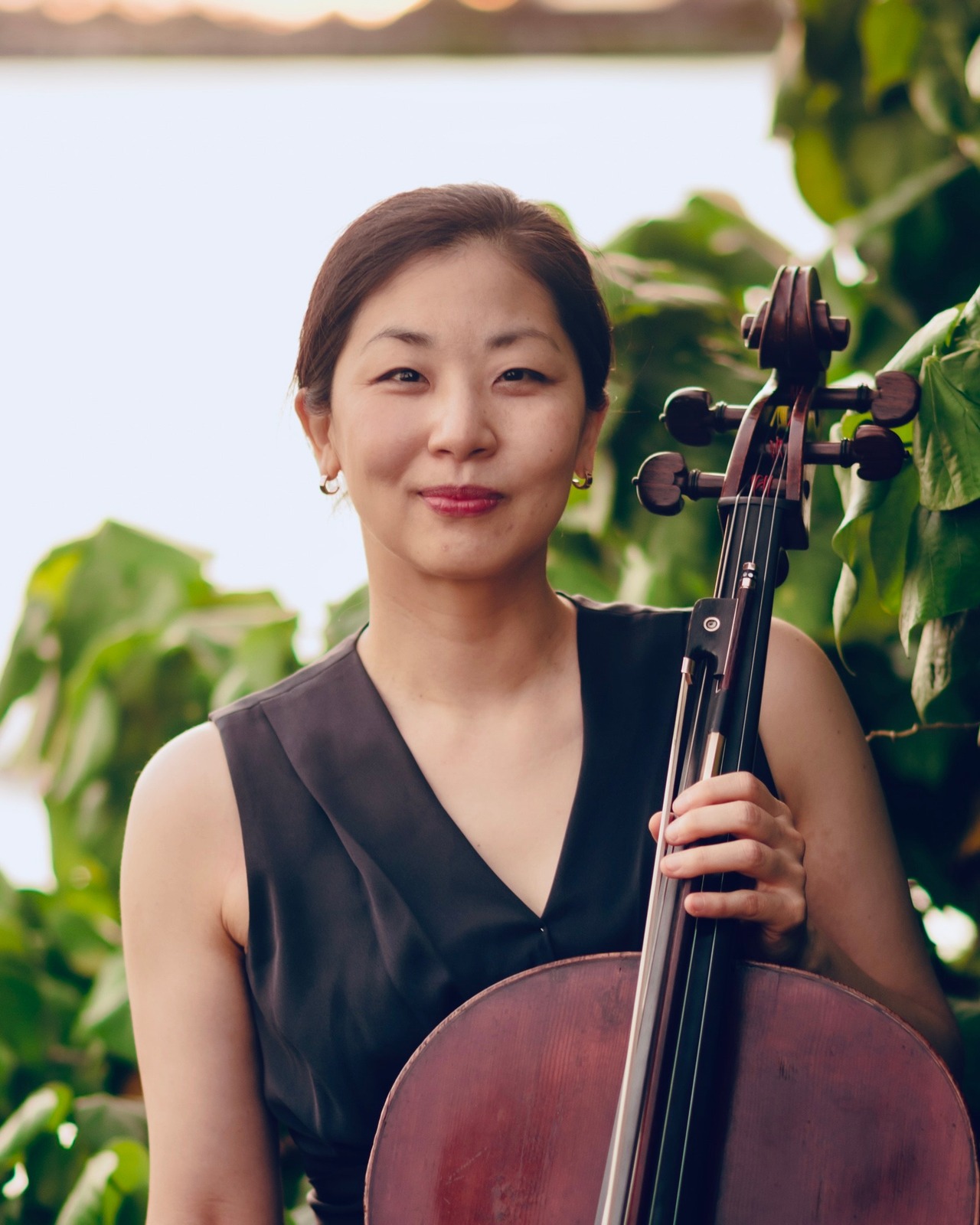
Cellist Ana Kim is an Indiana native and a member of the Lyric Opera Orchestra. As a historical performance specialist, Ana plays with numerous ensembles across the United States, including the Philharmonia and Trinity Baroque Orchestras, and Music of the Baroque here in Chicago. She has performed in such festivals as Midsummer’s Music, the Oregon Bach Festival, Yellow Barn, Verbier Academy, and Music@Menlo. Ana received her Doctorate degree at the University of Southern California and has studied Historical Performance at The Juilliard School. Her teachers include János Starker, Ralph Kirshbaum, and Laurence Lesser.

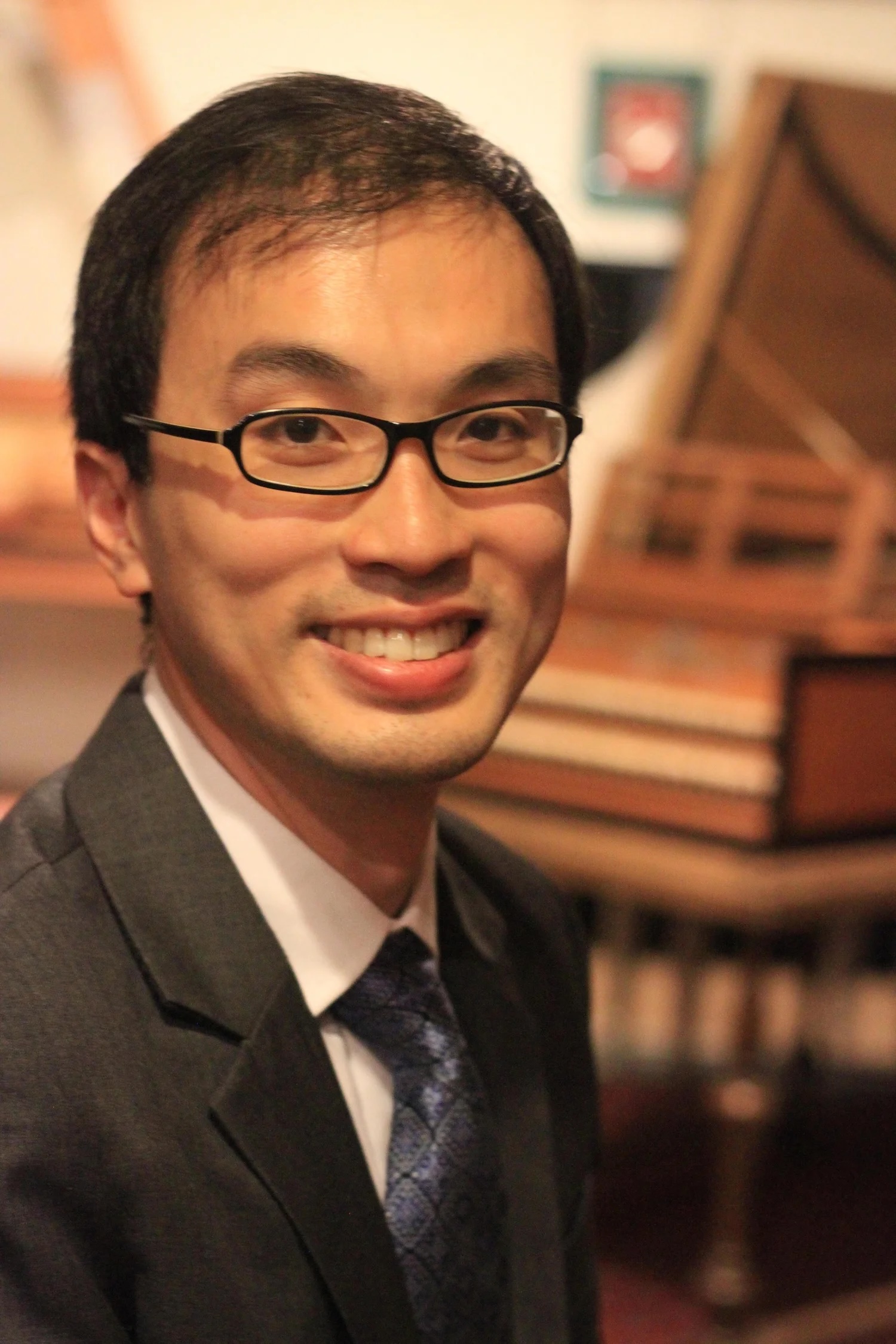
Jason J. Moy is Artistic Director of Ars Musica Chicago and one of the most sought-after Early keyboard specialists in the Midwest. He teaches at Roosevelt University’s Chicago College of Performing Arts, and at DePaul University, where he was awarded the School of Music’s first-ever endowed chair as Monsignor Kenneth J. Velo Distinguished Professor in 2022. Jason received his early music training at McGill University, and counts Hank Knox, Ketil Haugsand, Andrew Lawrence-King, and the late Bruce Haynes among his most influential mentors and teachers. He was recently appointed Associate Music Director of Bach in the City, Chicago’s newest period instrument ensemble, and regularly performs with The Newberry Consort, Haymarket Opera Company, and other local ensembles.
About the Rush Hour Concerts

The concerts are generously sponsored by the Irving Harris Foundation and partially supported by a grant from the Illinois Arts Council.

Our Next Performance

Stay connected with us on social
Join our mailing list and stay up to date.
<

Subscribe

* indicates required