
Pianists Fan Favorites
Seventeenth Church of Christ, Scientist, Chicago, 55 E. Wacker Drive

October 21, 2026

12:15 PM

Seventeenth Church of Christ, Scientist, Chicago - 55 E. Wacker Drive
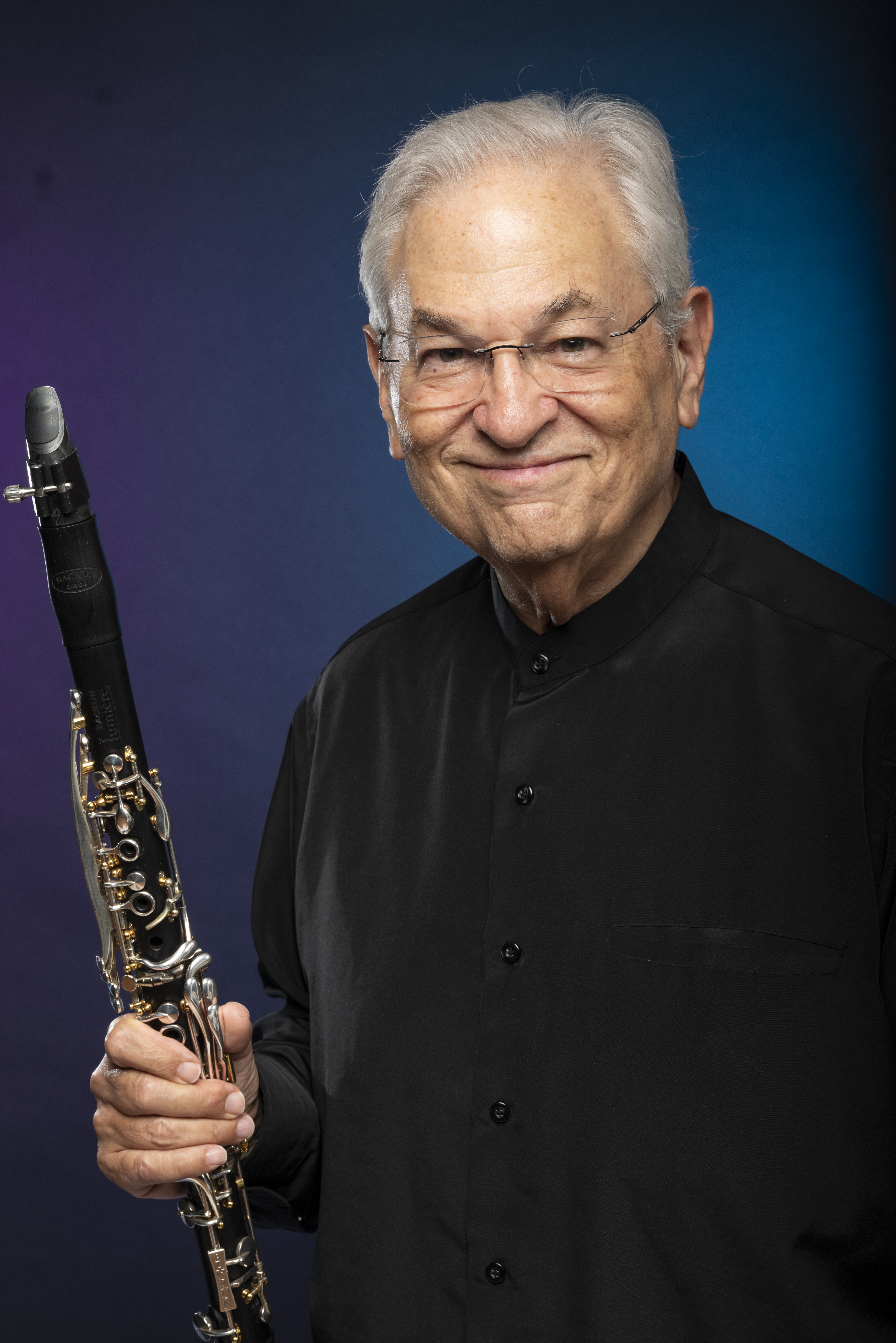
Winner of both the Avery Fisher Career Grant (1987) and the Avery Fisher Prize (2000) David Shifrin is in constant demand as soloist, recitalist and chamber musician. He has appeared with many of the major orchestras in the United States and abroad and has served as principal clarinetist with the Cleveland Orchestra, American Symphony Orchestra (under Stokowski), Los Angeles Chamber Orchestra, and others. As soloist Shifrin has performed throughout the world including recitals at Lincoln Center, Carnegie Hall and the Library of Congress. Notable concerto performances include the Philadelphia Orchestra, Minnesota Orchestra, Dallas Symphony Orchestra, Seattle Symphony, Houston Symphony, Milwaukee Symphony Orchestra, Detroit Symphony Orchestra, Denver Symphony Orchestra, orchestras in China, Taiwan, Japan, Korea, Switzerland, Germany and Italy.
A sought-after chamber musician, he collaborates frequently with distinguished ensembles and artists. Shifrin has performed with the Chamber Music Society of Lincoln Center since 1982 and served as its artistic director from 1992 to 2004. He served as artistic director of Chamber Music Northwest in Portland, OR From 1981-2000 and currently serves as artistic director of the Phoenix Chamber Music Festival.
At Yale, Shifrin teaches a studio of graduate-level clarinetists and coaches chamber music ensembles. He is also the Artistic Director of Yale’s Oneppo Chamber Music Series and the Yale in New York concert series. Previously, Shifrin served on the faculties of the Juilliard School, University of Southern California, University of Michigan, Cleveland Institute of Music and the University of Hawaii.
Mr. Shifrin’s recordings for Delos, DGG, Angel/EMI, Arabesque, BMG, SONY, CRI, Musica Solis have consistently garnered praise and awards. He has received three Grammy nominations – for a collaborative recording with the Chamber Music Society of Lincoln Center of the collected chamber music of Claude Debussy (Delos), the Copland Clarinet Concerto (Angel/EMI) and Ravel’s Introduction and Allegro with Nancy Allen, Ransom Wilson, and the Tokyo String Quartet (Angel/EMI). His recording of the Mozart Clarinet Concerto with the Mostly Mozart Festival Orchestra, performed in its original version on a specially built basset clarinet, was named Record of the Year by Stereo Review. David Shifrin can be heard on two albums with the late composer Lalo Schifrin; “Shifrin Plays Schifrin” and “Letters from Argentina” (nominated for a Latin Grammy in 2007). In 2023 David Shifrin’s recording of Ellen Taaffe Zwilich’s Concerto for Clarinet and Chamber Orchestra with Chamber Music Northwest on the Delos Label was selected by the Library of Congress for preservation in the United States National Recording Registry for being “culturally, historically, or aesthetically significant.” From the Library of Congress. His most recent release is on the Music Solis Label is the critically acclaimed “Perpetual Motion”- music of Francis Poulenc.
Shifrin performs on clarinets made by Morrie Backun in Vancouver, Canada and Légère premium synthetic reeds made in Ontario, Canada.
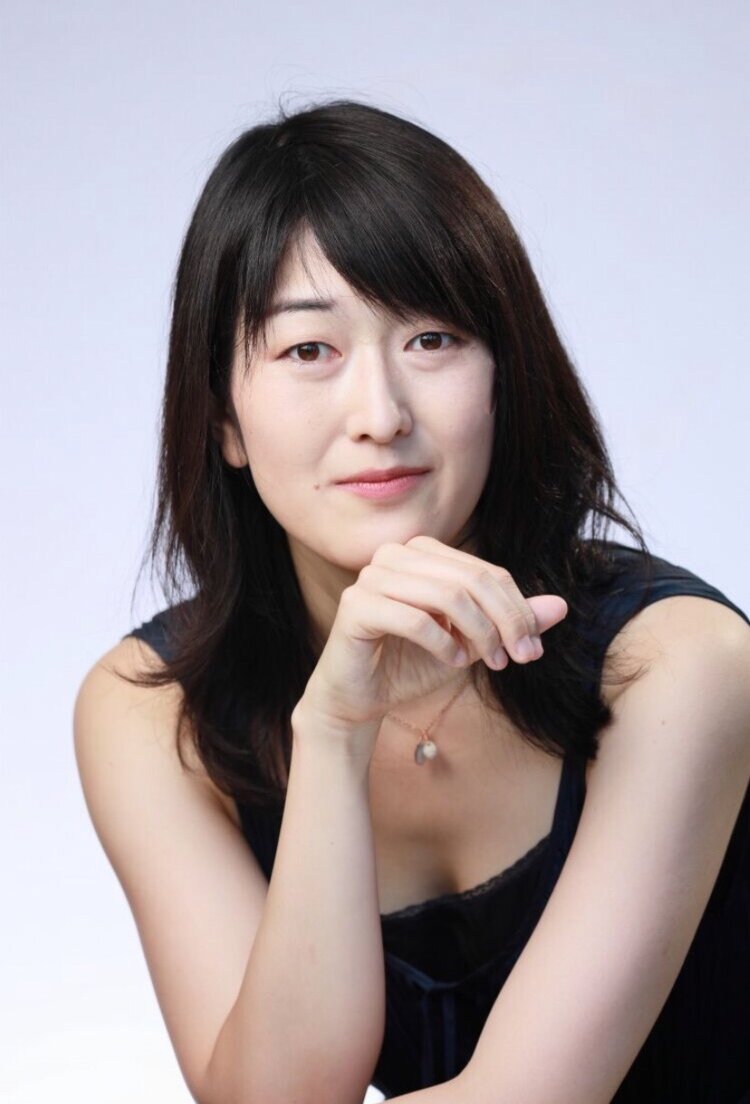
Marina Iwao is a Japanese-born pianist acclaimed for her nuanced artistry, expressive range, and deep commitment to ensemble playing. Praised for her sensitivity, clarity, and versatility, she has collaborated with distinguished artists such as Frank Morelli, David Shifrin, Quatuor Debussy, Tara O’Connor, and Daniel Phillips, among many others.
An avid chamber musician, she performs regularly in recitals and at festivals across the United States. Recent highlights include a fall 2025 tour with clarinetist David Shifrin and appearances at Music from Angel Fire in New Mexico. She gave the world premiere of Sonata for Clarinet and Piano by Margaret Brouwer with clarinetist Thomas Piercy at the 2023 International ClarinetFest in Denver.
Marina brings the same depth of interpretation and artistic commitment to both classical and contemporary repertoire, building meaningful connections with music of all eras. She is a member of Random Access Music, a New York City–based collective of composers and performers. She also performs with the Dolphins Quartet, winner of the 2026 Chesapeake Chamber Music Competition Lerman Gold Prize, in live screenings of Buster Keaton films featuring original scores by Stephen Prutsman.
Marina’s dedication to ensemble playing began early. In high school, long before encountering the term “collaborative piano,” she discovered a deep joy in accompanying friends — a passion that would shape her artistic identity. She earned her Master of Music degree in Collaborative Piano from The Juilliard School, where she studied with Jonathan Feldman and Lydia Brown. Her summer festival experience includes the Bowdoin International Music Festival, the Music Academy of the West, and a two-year fellowship at the Yale School of Music from 2022 to 2024.
In addition to her active performing career, Marina is a devoted educator. She has served on the faculty of the New England Music Camp and the Philadelphia International Music Festival. She currently serves as a staff pianist at The Juilliard School and Kaufman Music Center, and teaches chamber music at the School for Strings in New York City.
The concerts are generously sponsored by the Paul M. Angell Family Foundation, the Illinois Arts Council and by individual donors.
Program: Dame Myra Hess Memorial Concerts
Seventeenth Church of Christ, Scientist, Chicago, 55 E. Wacker Drive
Program: Dame Myra Hess Memorial Concerts
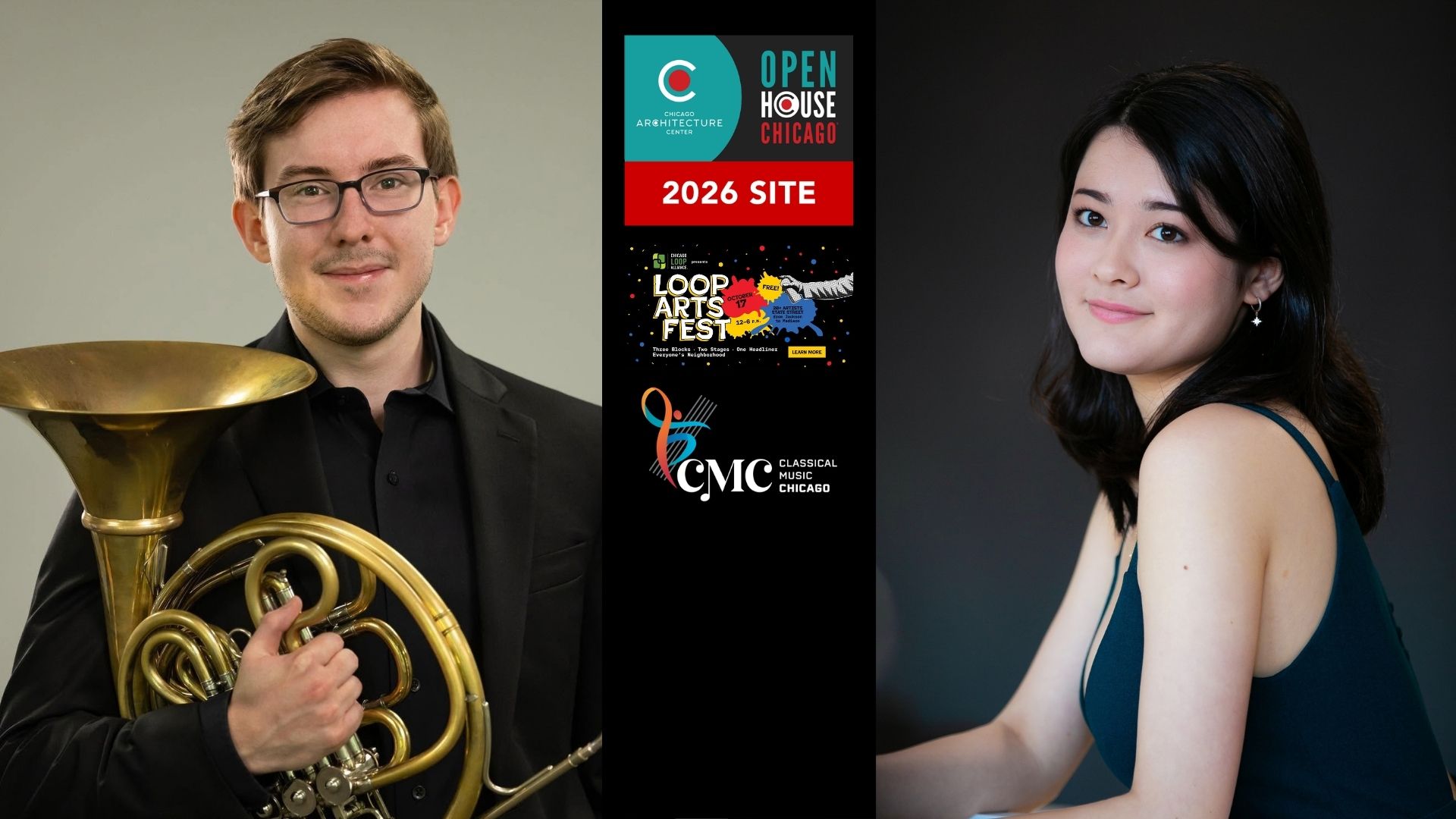
Seventeenth Church of Christ, Scientist, Chicago, 55 E. Wacker Drive
Program: Dame Myra Hess Memorial Concerts
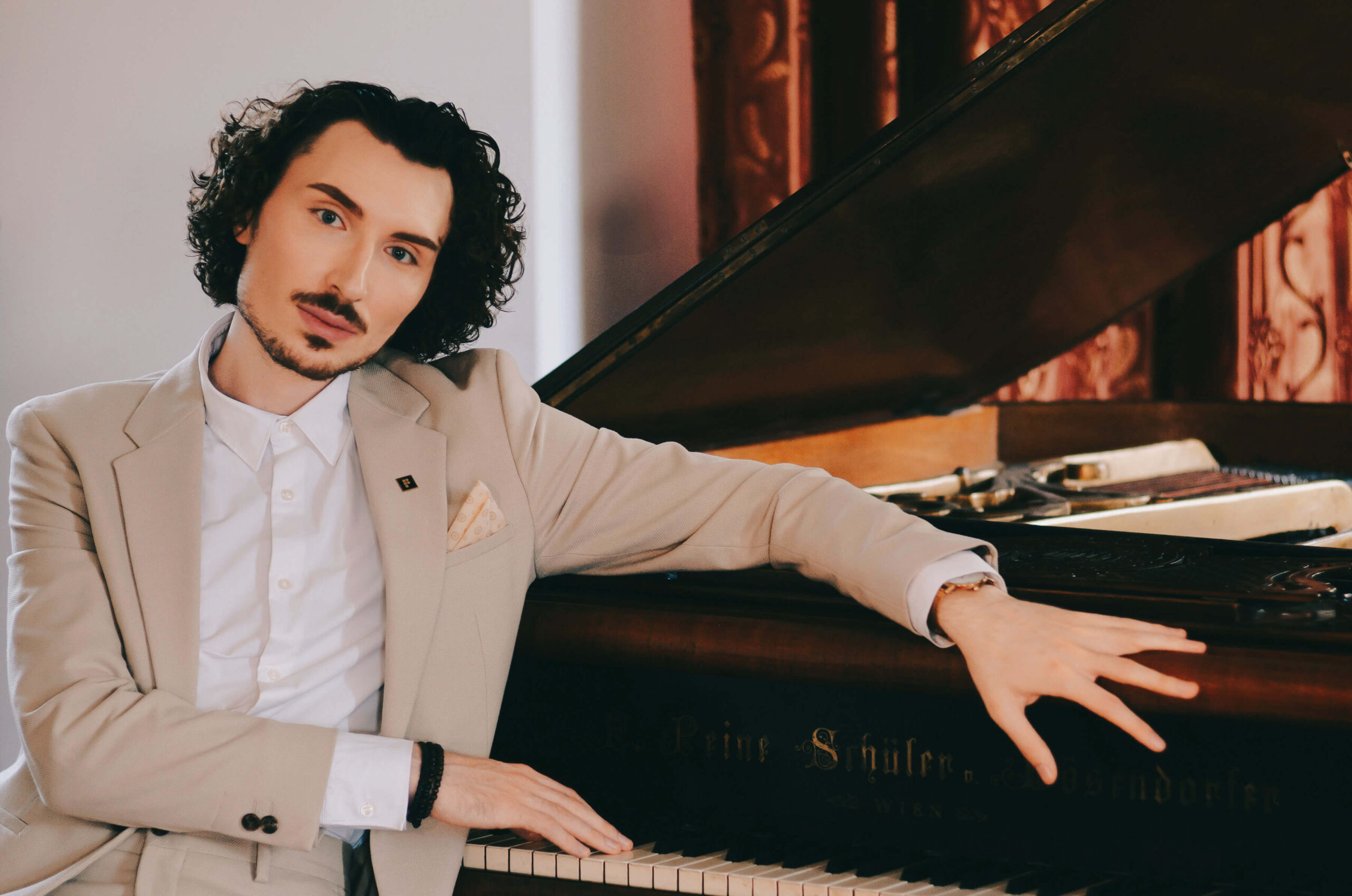
Seventeenth Church of Christ, Scientist, Chicago, 55 E. Wacker Drive