Clarinet Meditations

Program

  • Paul Jeanjean (1874-1928) - Clair matin (1926) (5’)
  • Amanda Harberg (b. 1973) - Sonata for Clarinet and Piano (2015) (14’)
  • I. Gentle/Playful
  • II. Interlude
  • III. Agitato
  • Jessie Montgomery (b. 1981) - Peace (2020) (5’)
  • Joseph Horovitz (1926-2022) - Sonatina for Clarinet and Piano (1981) (14’)
  • I. Allegro calmato
  • II. Lento, quasi andante
  • III. Con brio
  • Paul Jeanjean (1874-1928) - Clair matin (1926) (5’)
  • The program opens with Paul Jeanjean’s Clair Matin, a warm and welcoming miniature that showcases the clarinet’s singing tone and seamless legato. Jeanjean was principal clarinet of the Monte Carlo Casino Orchestra around the turn of the last century, and he is most famous for composing a set of extraordinarily challenging etudes for developing clarinetists. Clair Matin, literally translating to “Clear Morning,” shows off his more lyrical voice. The piece unfolds in a classic ABA form and feels genuinely unhurried, like sun peaking up above the horizon line each morning.
  • Amanda Harberg (b. 1973) - Sonata for Clarinet and Piano (2015) (14’)
  • Next, we transition to Amanda Harberg’s Sonata for Clarinet and Piano, composed in 2016. Harberg, an Associate Professor at Berklee College of Music in Boston, writes in a manner that unabashedly embraces melody, while also incorporating modern complex rhythms. This work is in three movements: I. Gently, Playful, II. Interlude, and III. Agitato. The first movement begins with a gentle melody with minimal open harmonies, perhaps reminiscent of American composer Aaron Copland. It then moves into a jaunty and leaping secondary theme. The second movement is a major emotional pivot, marked by a barren sadness and grief. The third movement repurposes the playful material of the first movement into a dark and fiery dance.
  • Jessie Montgomery (b. 1981) - Peace (2020) (5’)
  • Jessie Montgomery’s Peace for Clarinet and Piano (2020), is a meditation on the feeling of sadness. Written at the outset of the COVID-19 pandemic and subsequent worldwide quarantine orders, Montgomery wrote this miniature in the face of the intense grief and uncertainty that gripped all of us. Montgomery writes, “I’m learning to observe sadness for the first time not as a negative emotion, but as a necessary dynamic to the human experience.”
  • Joseph Horovitz (1926-2022) - Sonatina for Clarinet and Piano (1981) (14’)
  • The program closes with British composer Joseph Horovitz’s charming Sonatina for Clarinet and Piano. The first movement follows traditional classical sonata form and sounds like an ode to major clarinet and piano works of the earlier 20th century, like the sonatas by Poulenc and Martinu. The second movement is a show-stopping slow song over simple chordal accompaniment in the piano. To me, this movement is the soundtrack to the experience of looking up at the stars. The finale is a raucous affair that borrows sounds from jazz and other popular music forms. Melodically and rhythmically rich, this piece requires immense virtuosity from both players. Program notes by Katia Waxman

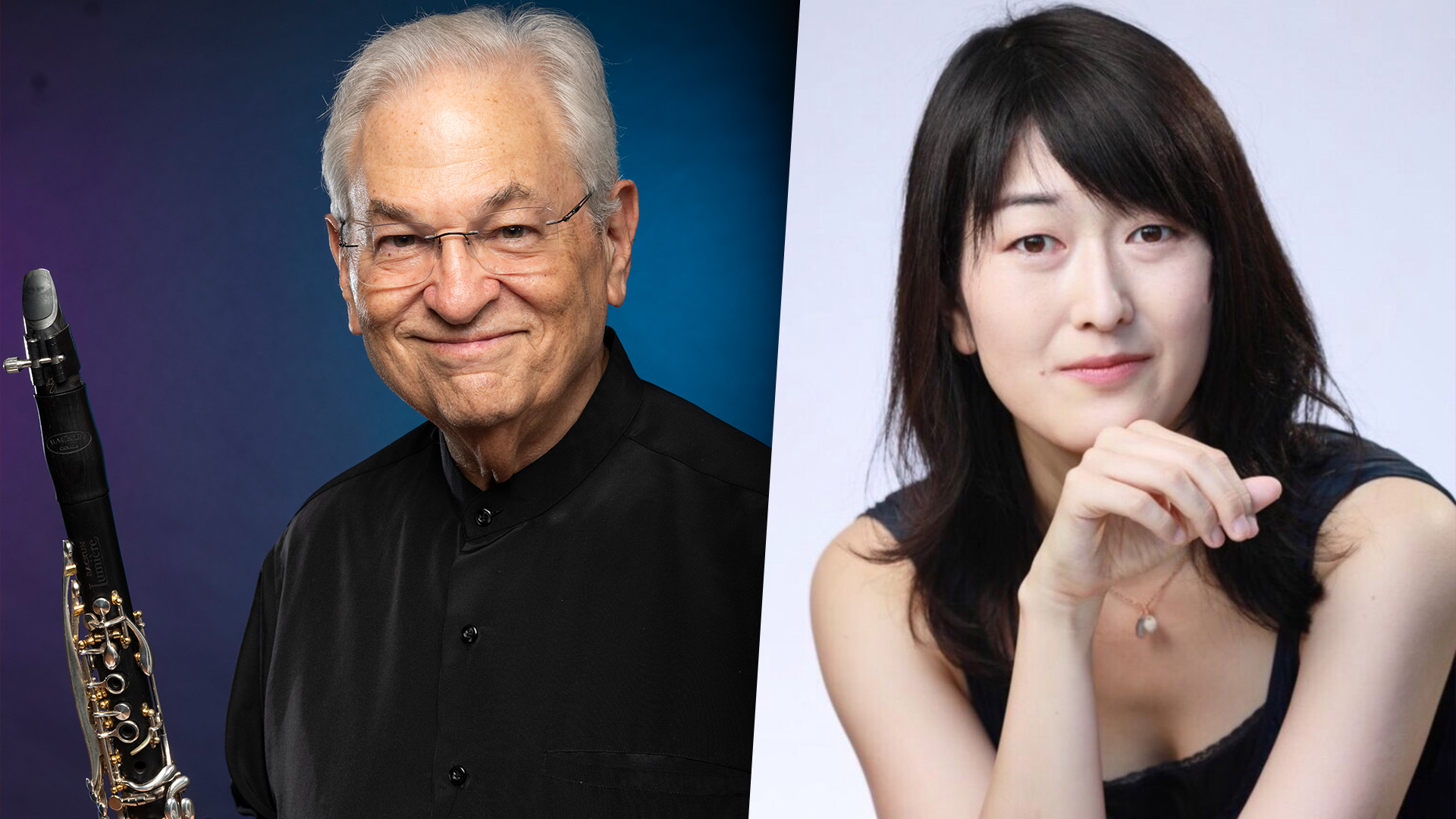
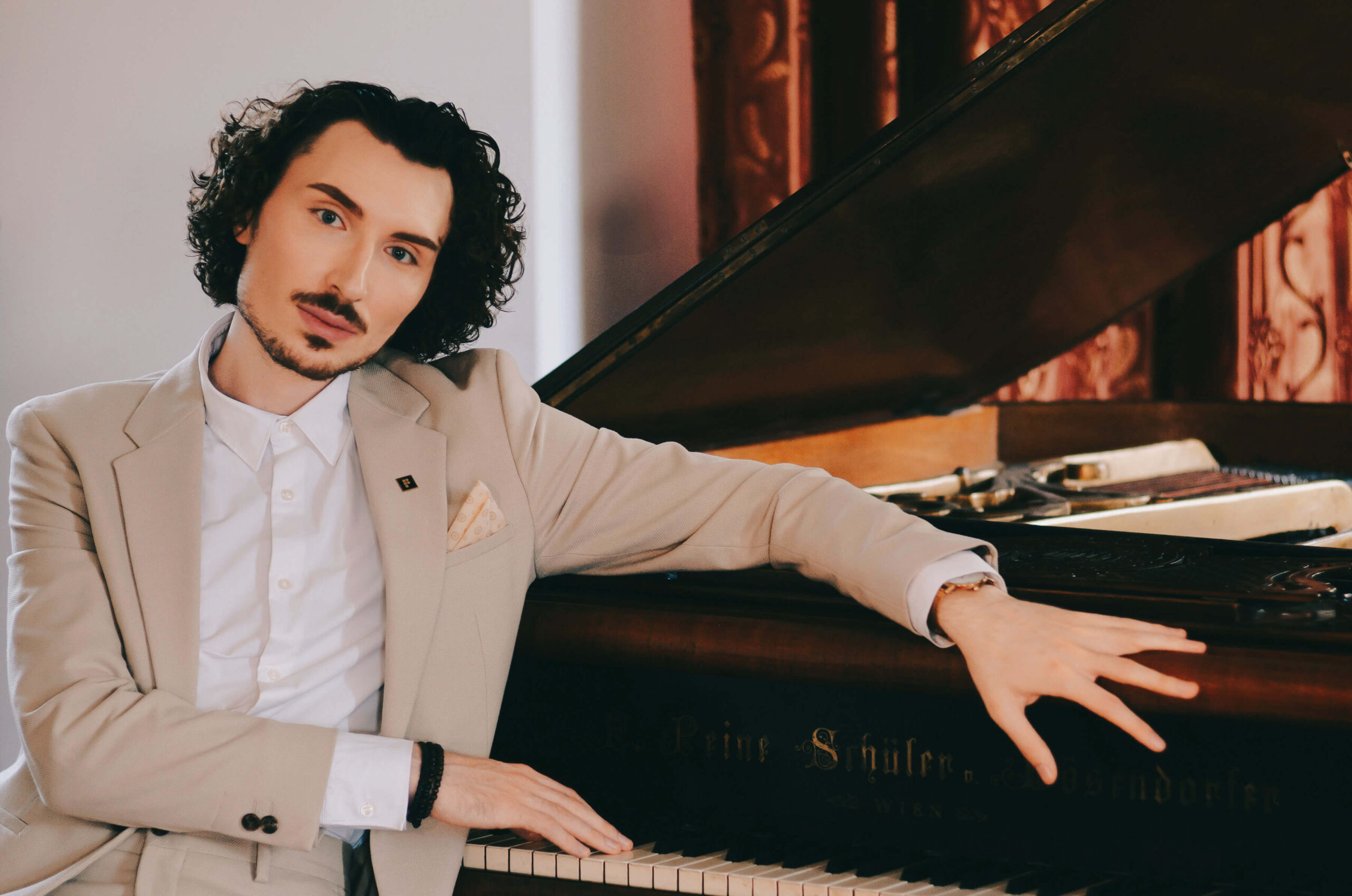
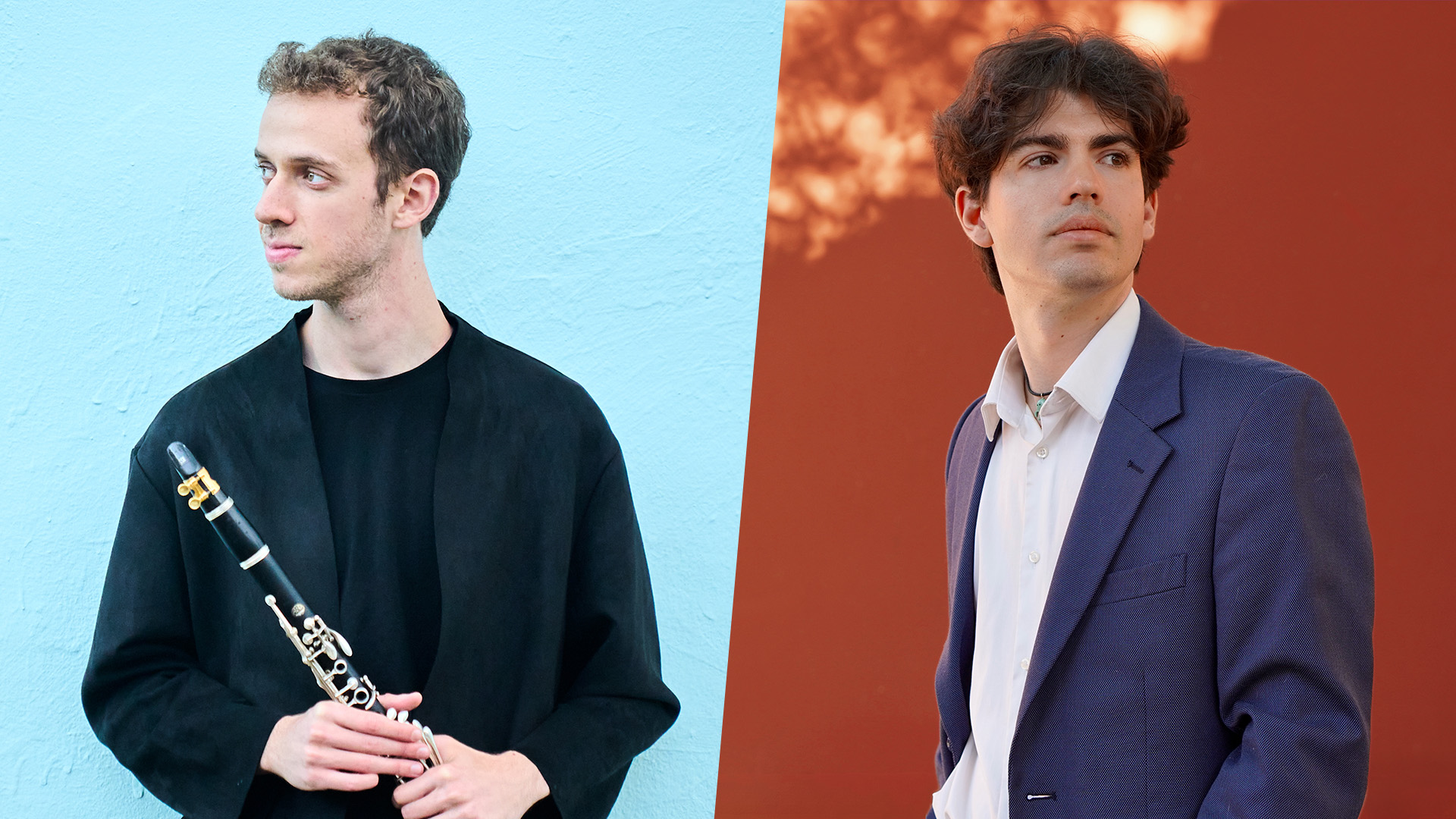
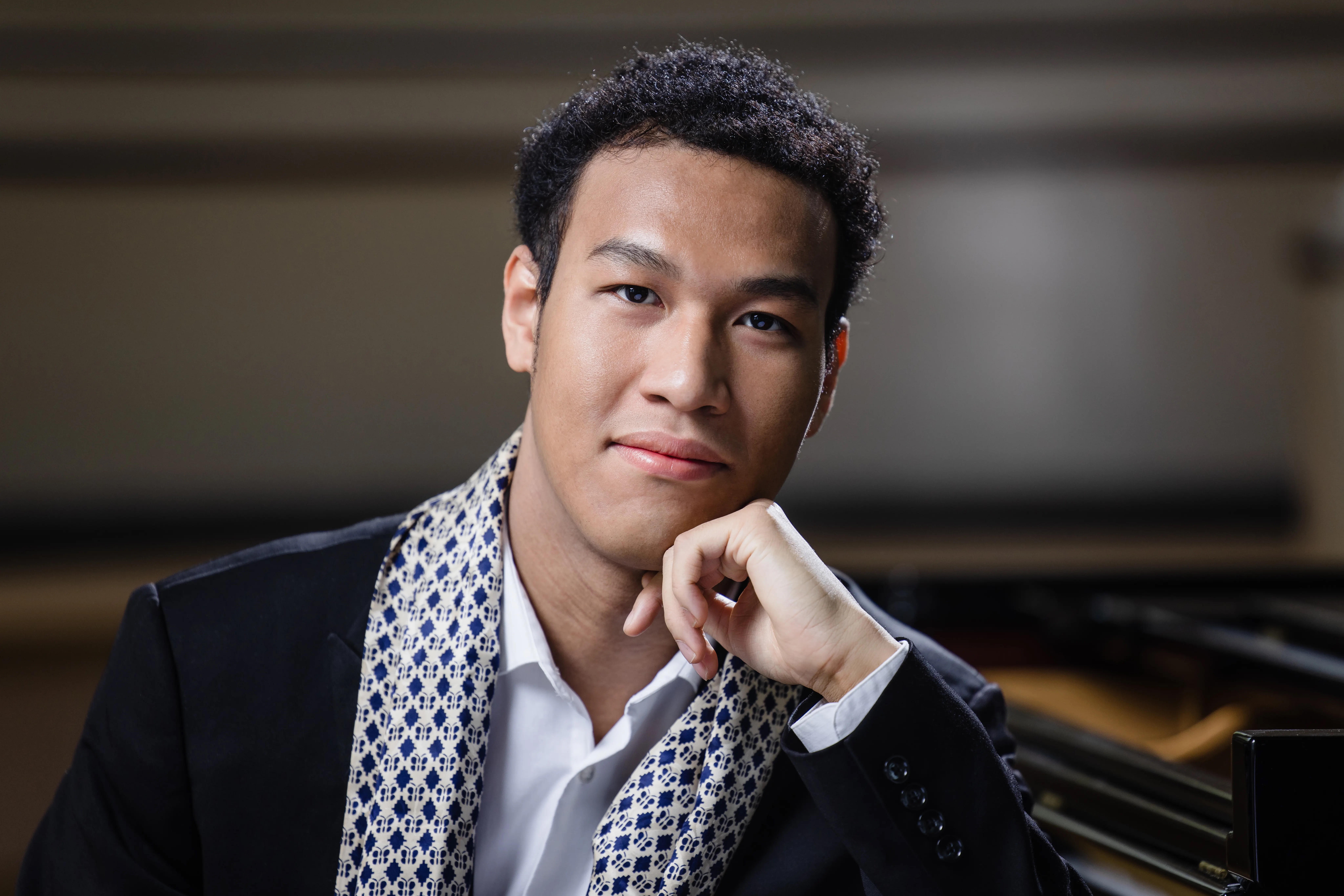
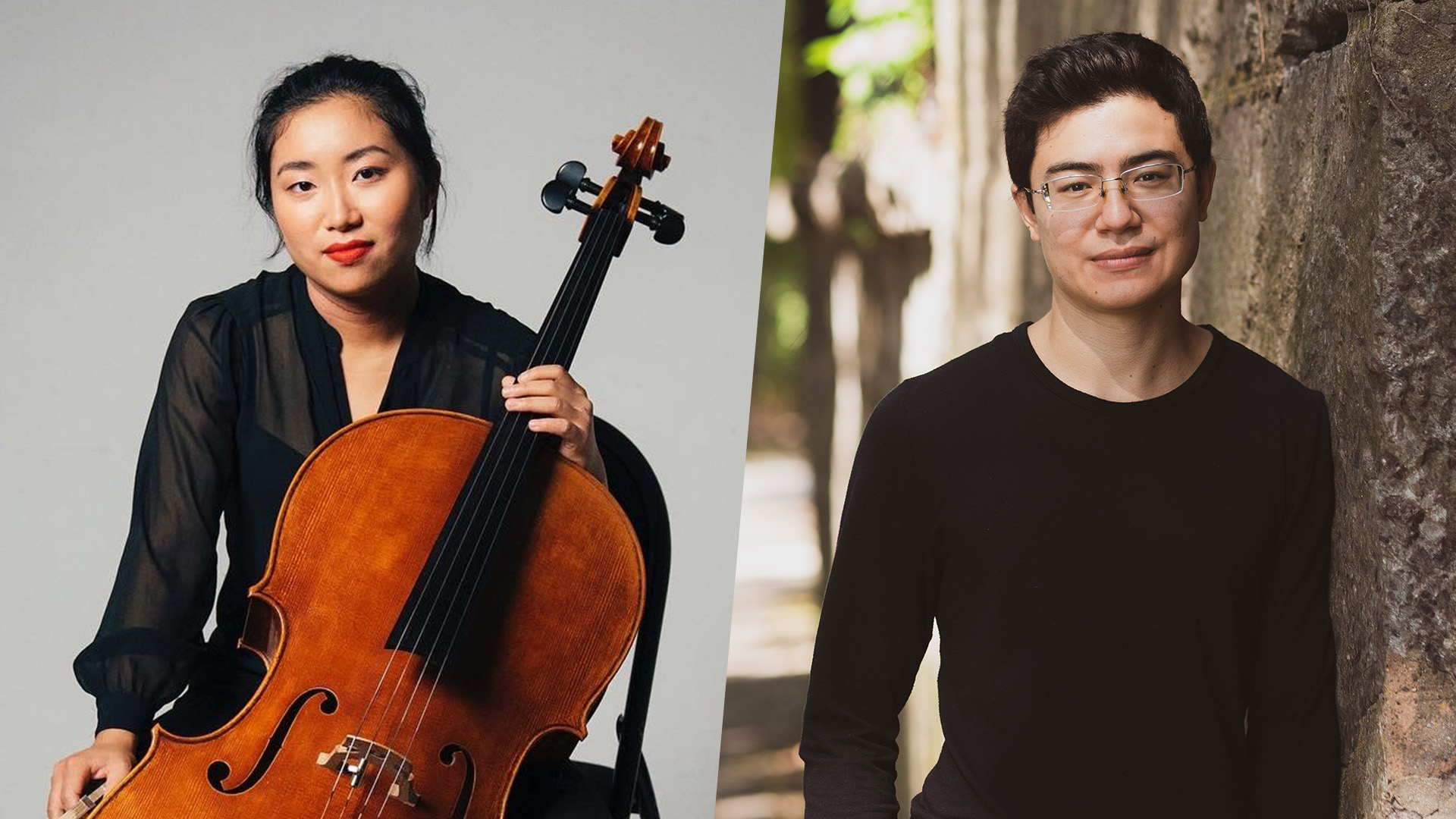
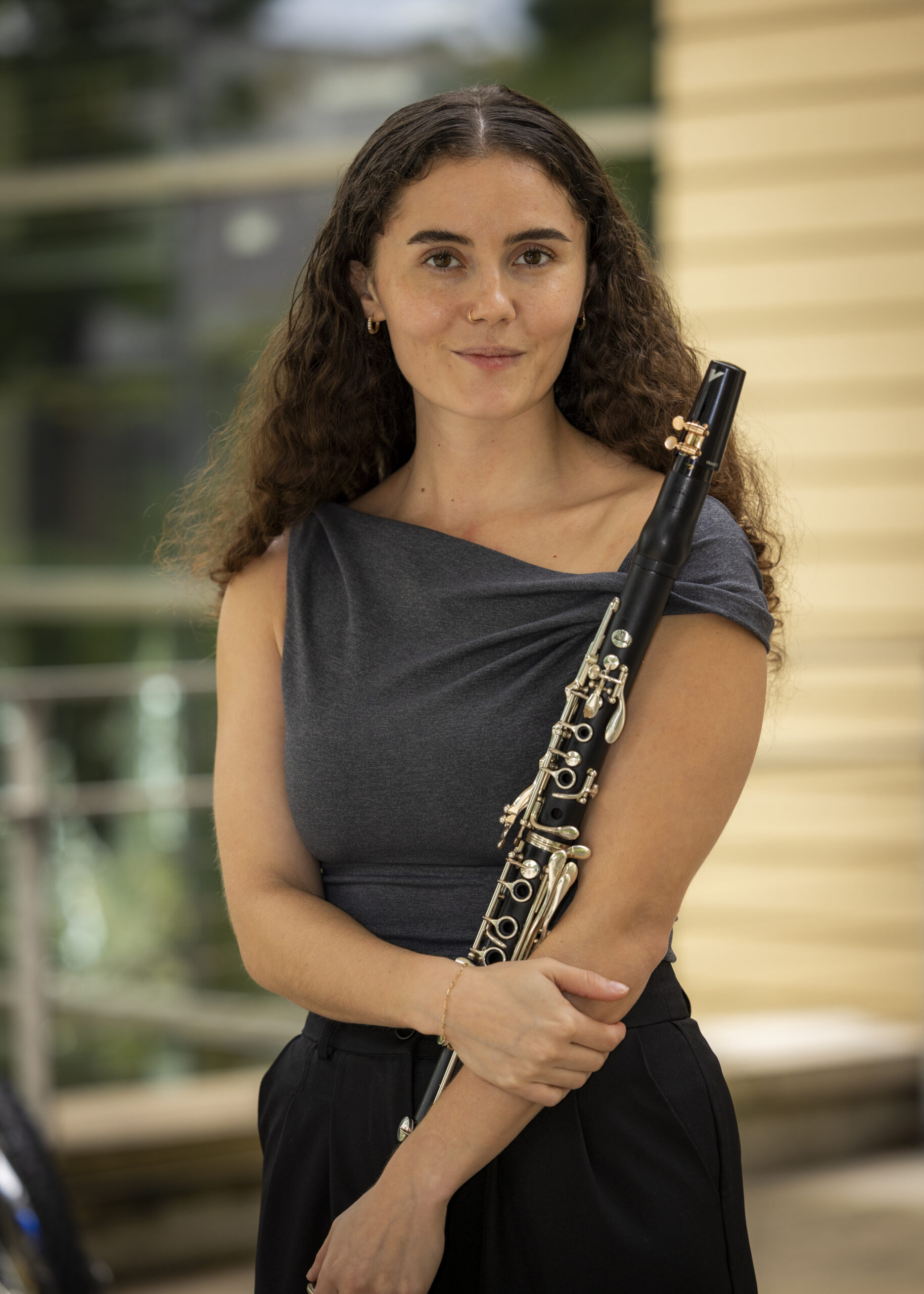
Chicago native Katia Sofia Waxman is a clarinetist and educator based in northern Michigan, where she maintains a studio of talented young players at Interlochen Arts Academy, the nation’s premier arts high school. An avid chamber musician, Katia has appeared with the Newport String Project, members of Decoda, and the Green Room Ensemble. She has also deepened her love for small ensemble playing through annual studies at the Apple Hill Center for Chamber Music (NH). Recent festival appearances include fellowships at Music Academy of the West and Bowdoin International Music Festival. Additionally, Katia has appeared at the Chautauqua Institution, Brevard Music Center, and the Decoda Chamber Music Festival.

Committed to shaping a more diverse and equitable classical music landscape, Katia was selected to participate in the pilot class of Oberlin Conservatory’s Music Leadership Career Community. She also held a teaching fellowship with Juilliard’s Music Advancement Program, a tuition-free pre-college program for students from historically underrepresented backgrounds. Katia holds degrees in music and economics from Oberlin and a Master of Music from The Juilliard School.

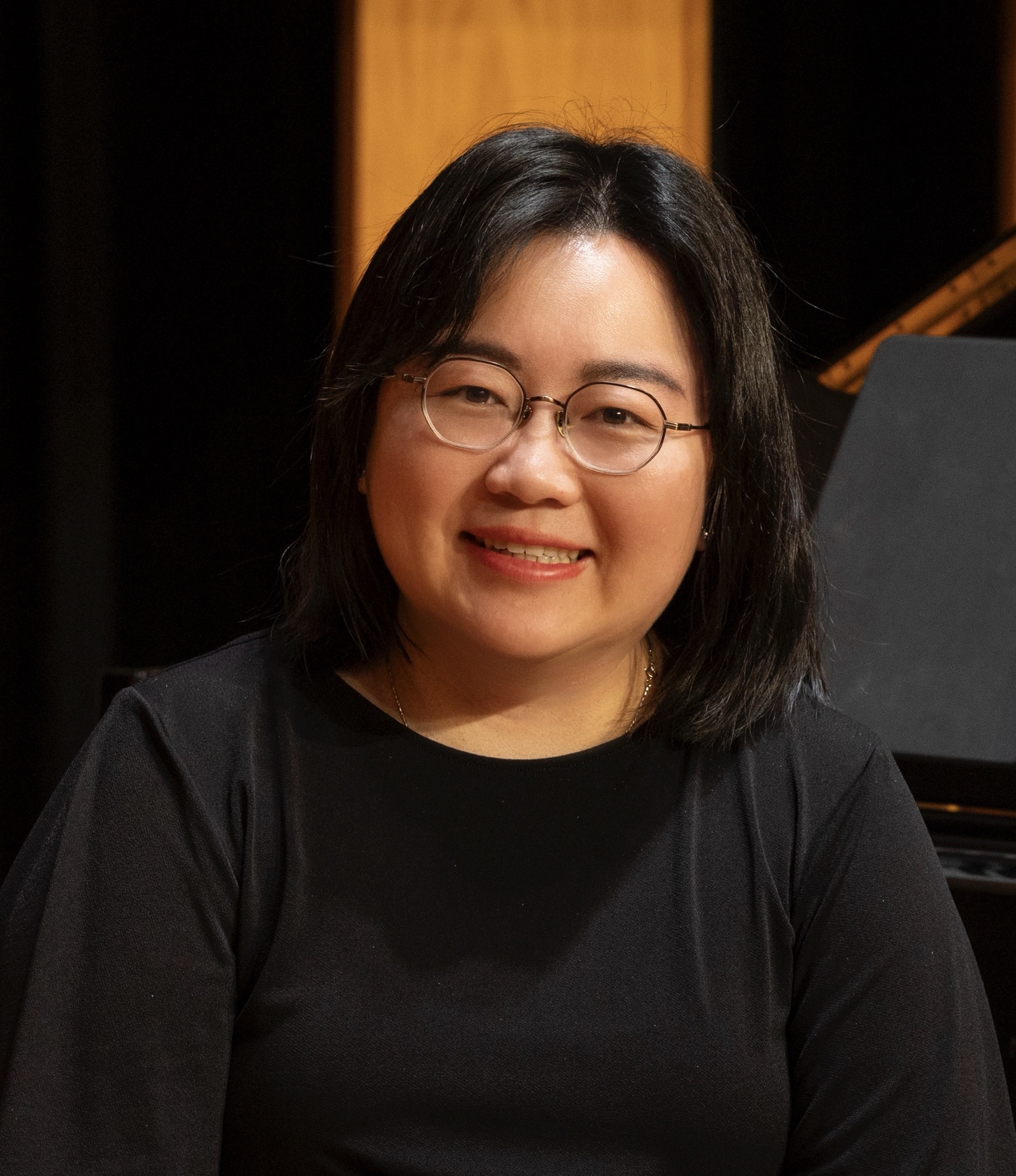
Ya-Ju Chuang is an active performer and educator, appearing as a soloist, chamber musician, and collaborative pianist. She has received numerous awards and scholarships in both Taiwan and the United States, including First Prize at the Charleston International Music Competition, Golden Classical Music Awards, Brussels Grand Prize Virtuoso International Competition, American Protégé International Competition, Michigan State University Concerto Competition, and the Tuesday Musical Association Scholarship Competition. She was also a National Finalist in The American Prize in Piano Performance (Concerto) – The Lorin Hollander Award and a top-prize winner at the National Taiwan Piano Competition.

As a collaborative pianist, Chuang has performed with distinguished artists such as Robert Chen, Martin Chalifour, Elaine Douvas, Santino Fontana, Leelanee Sterrett, Jim Walker, Yevgeny Kutik, Susan Babini, and Patrick Williams. Her performances have been featured on NPR’s “From the Top”, WKAR Public Media, and Interlochen Public Radio, as well as in the Traverse Symphony Orchestra’s Maestro Series, Great Lakes Chamber Orchestra’s Sunday Series, and Alluvion Concert Series. Chuang holds a D.M.A. in Piano Performance and M.M. in Piano Pedagogy from Michigan State University, M. M. in Piano Performance from Kent State University, and currently serves as Collaborative Pianist at Interlochen Arts Academy and Piano Instructor at the Traverse City Philharmonic Community Music School.
About the Dame Myra Hess Concerts

The concerts are generously sponsored by the Paul M. Angell Family Foundation, the Illinois Arts Council and by individual donors.

Our Next Performance

Stay connected with us on social
Join our mailing list and stay up to date.
<

Subscribe

* indicates required