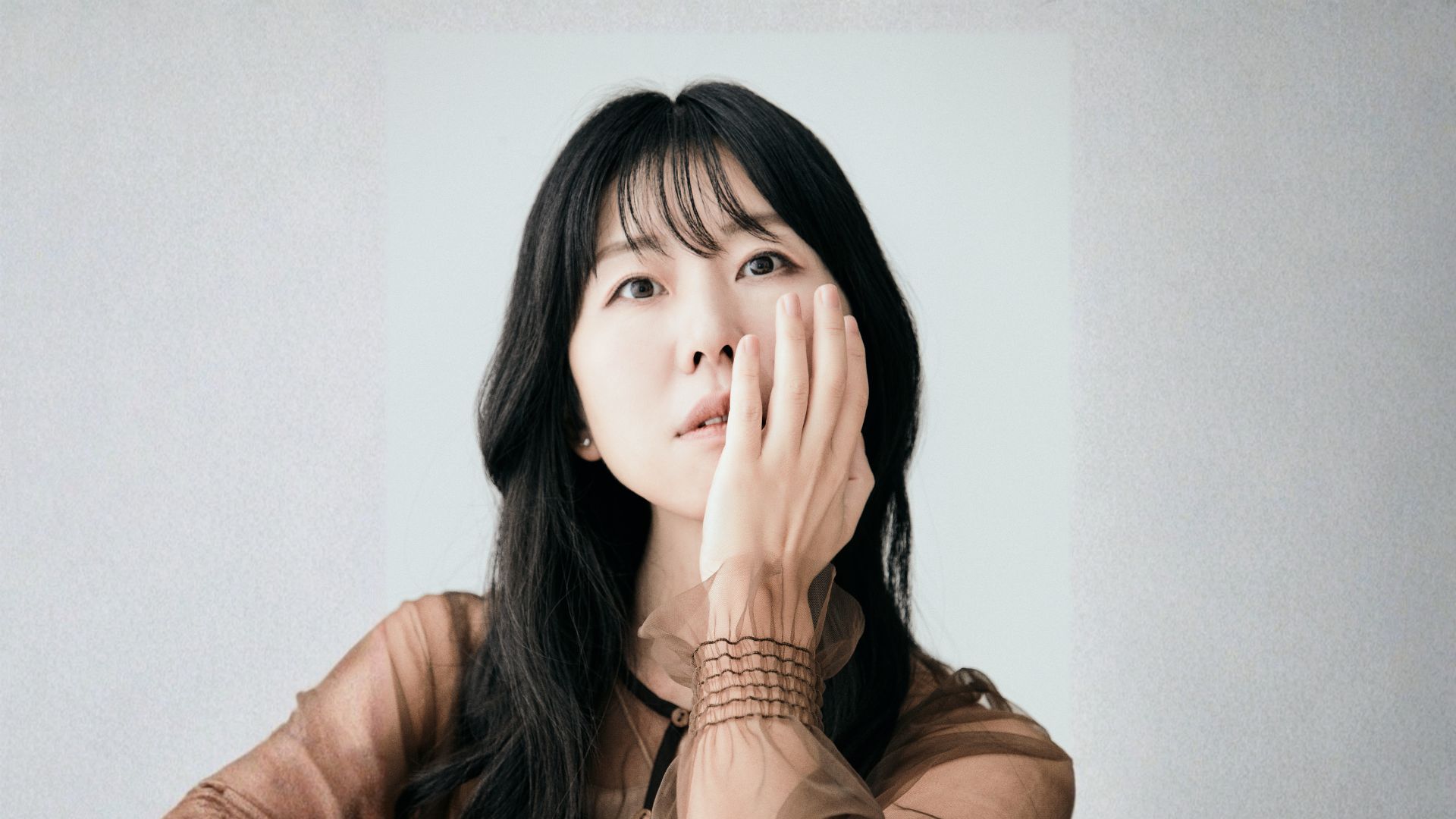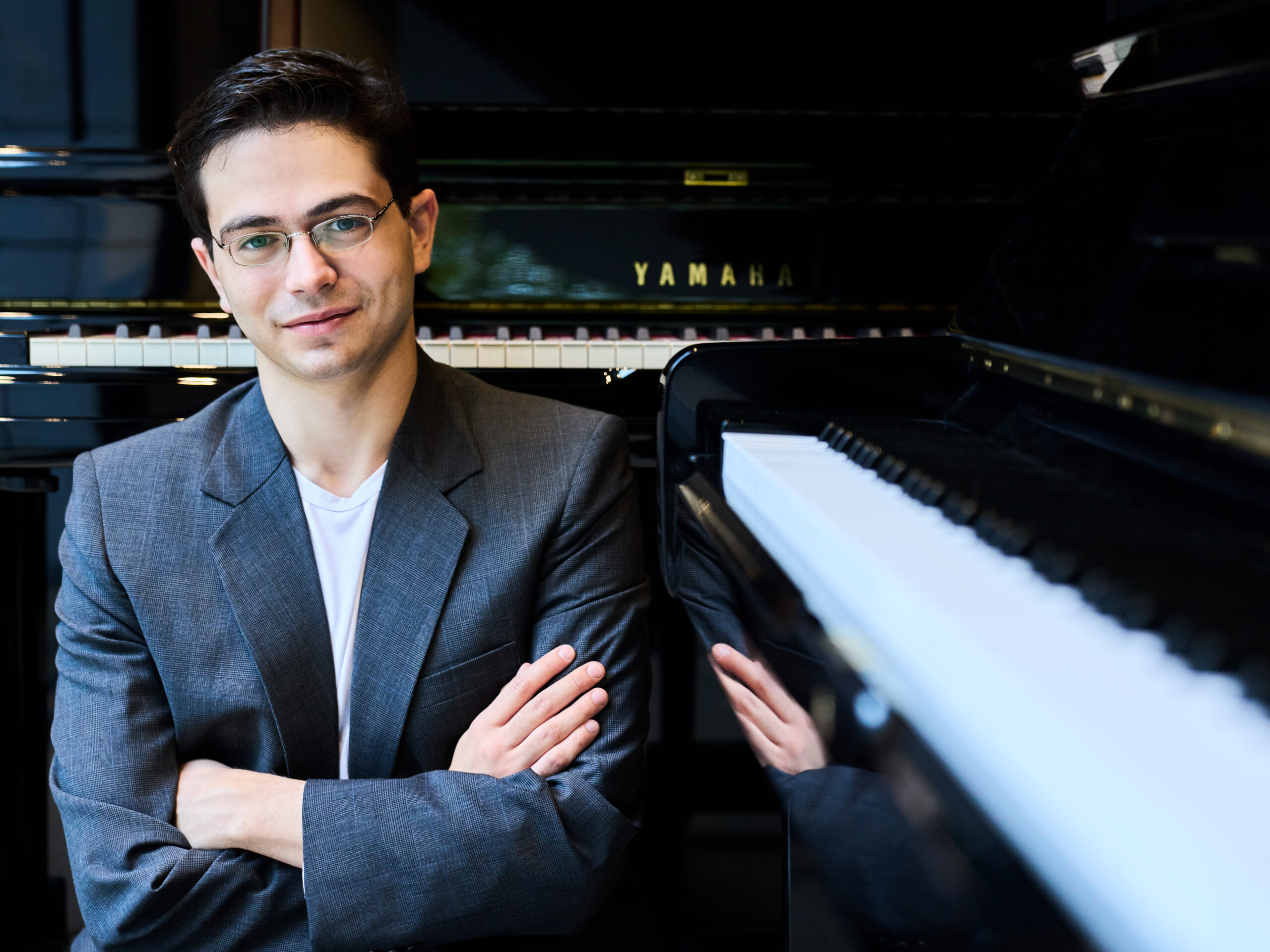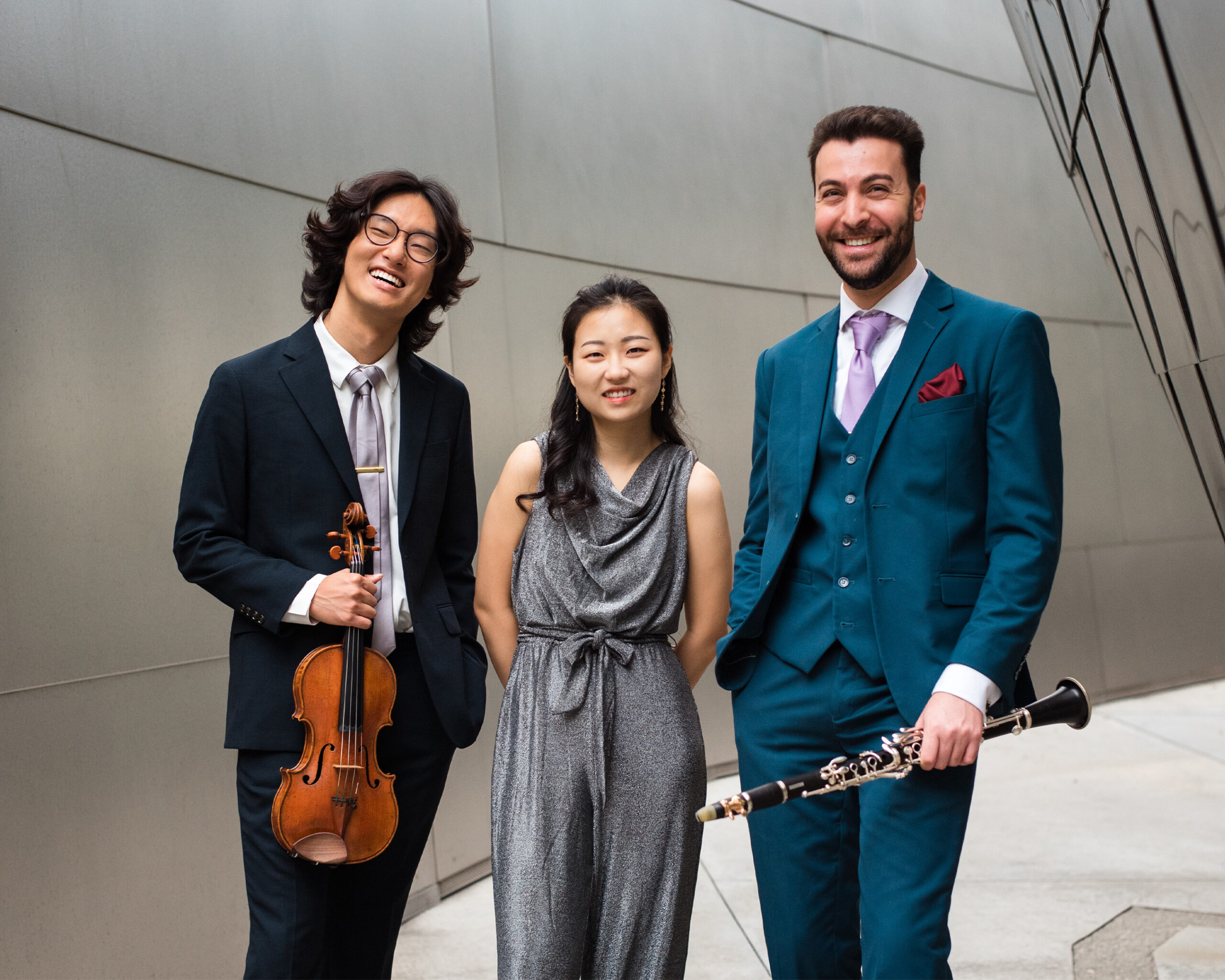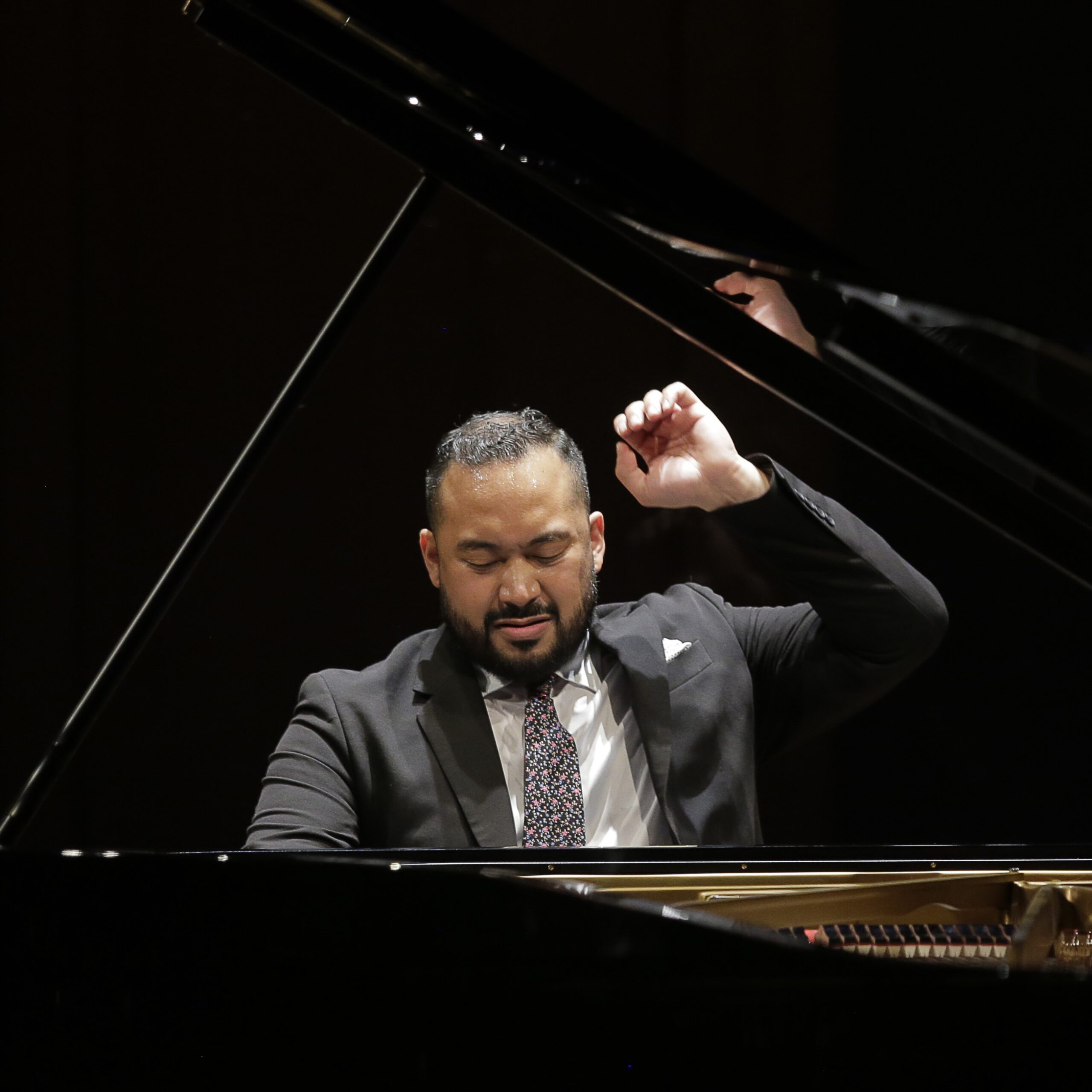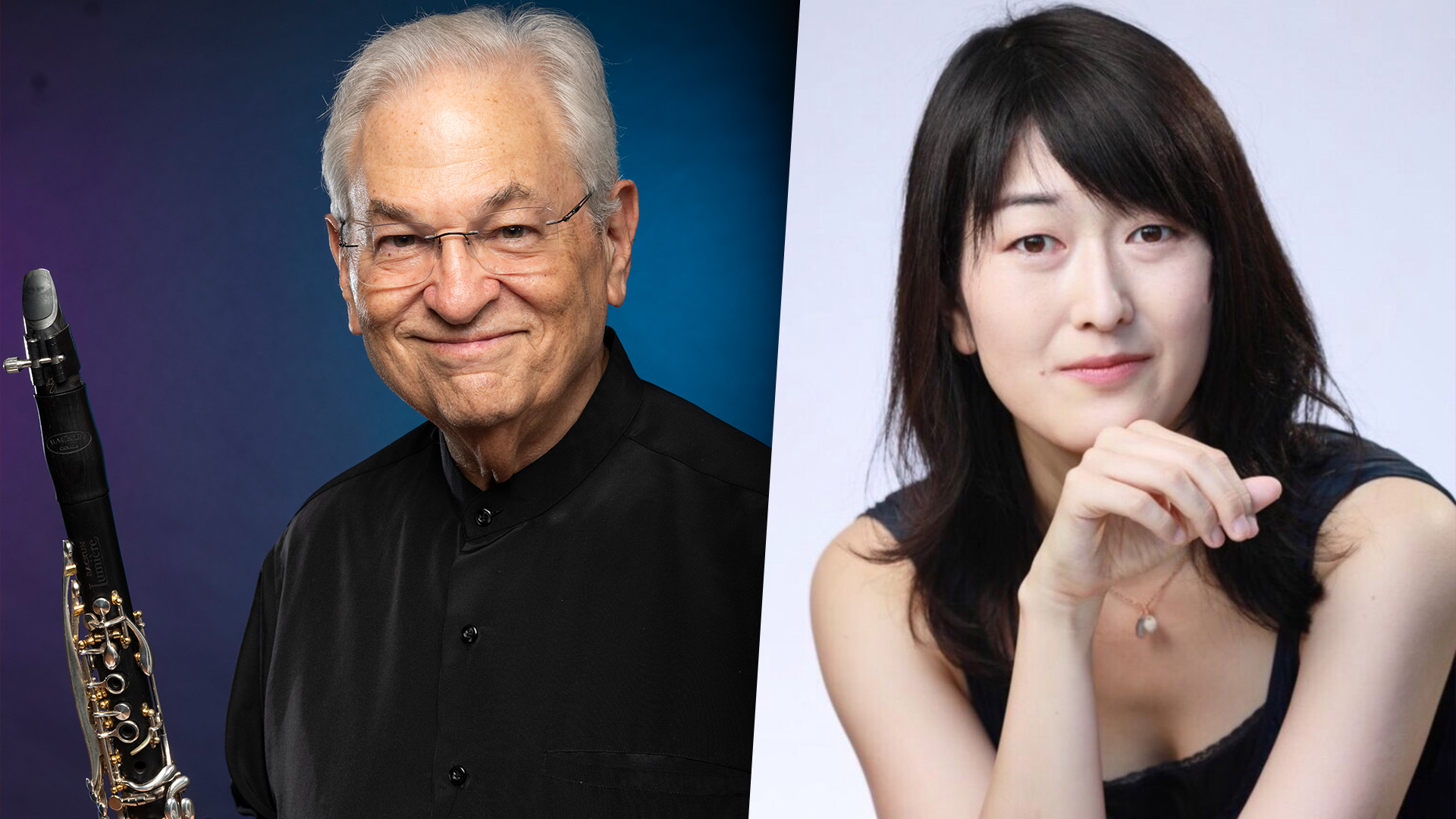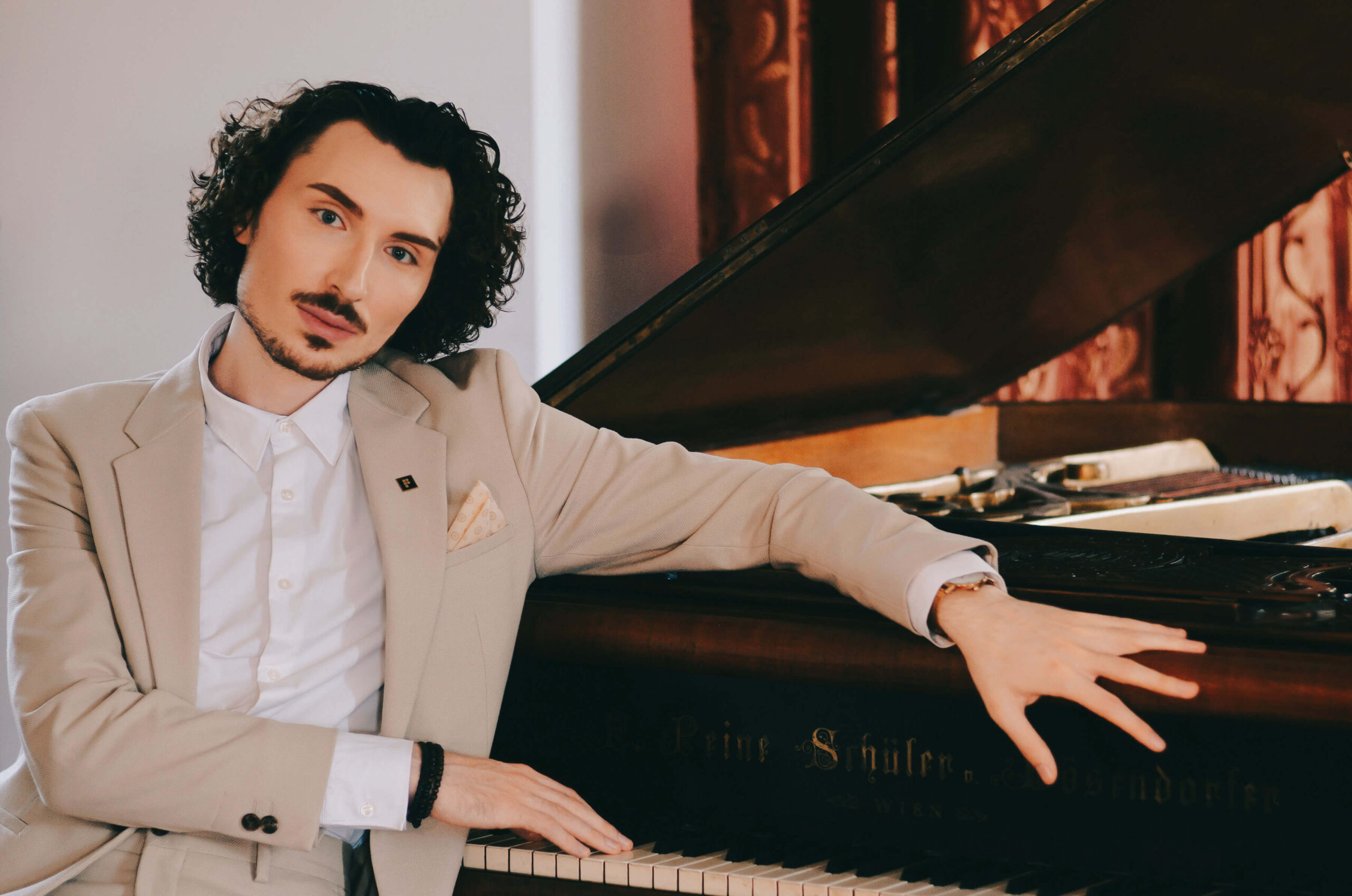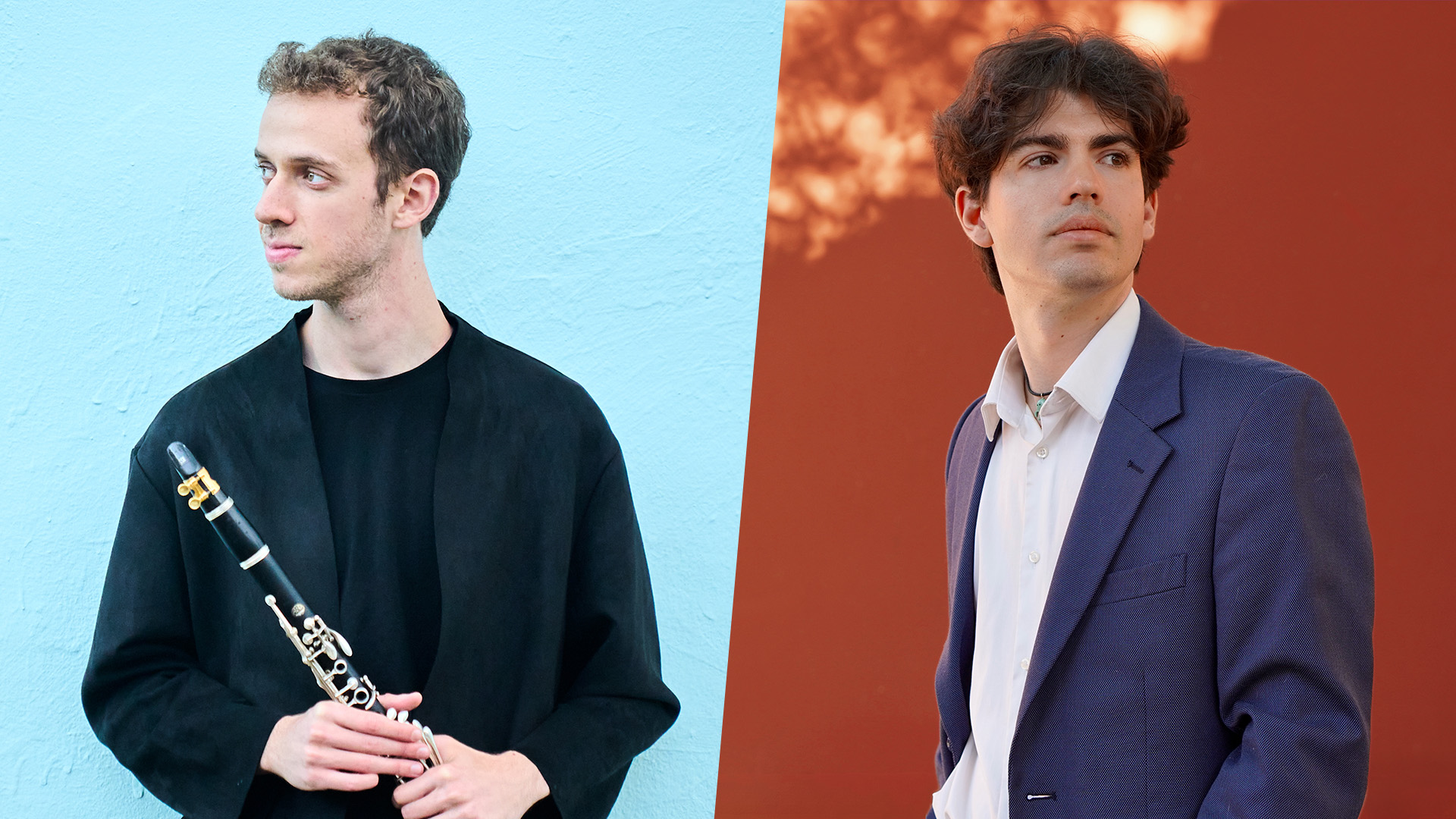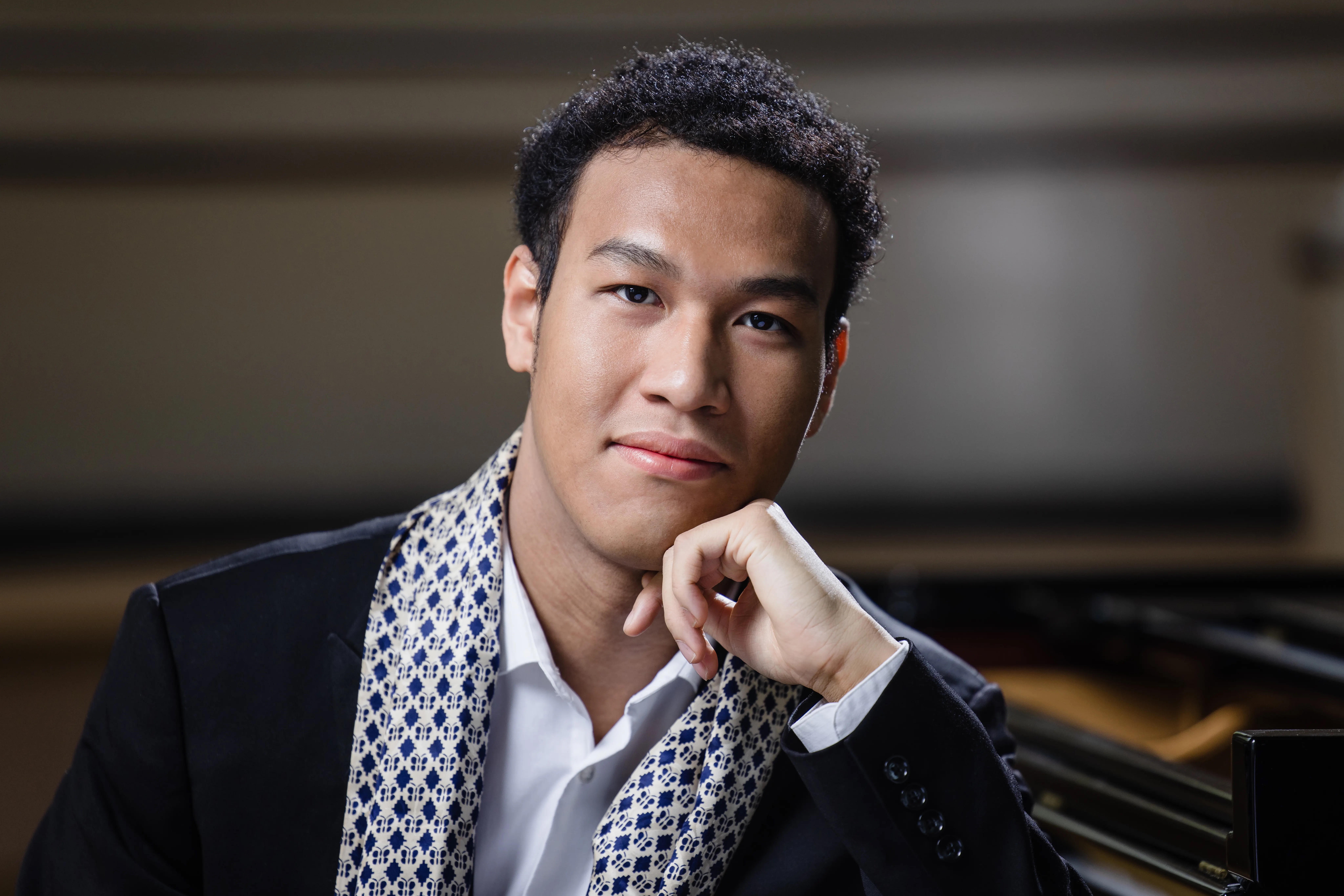
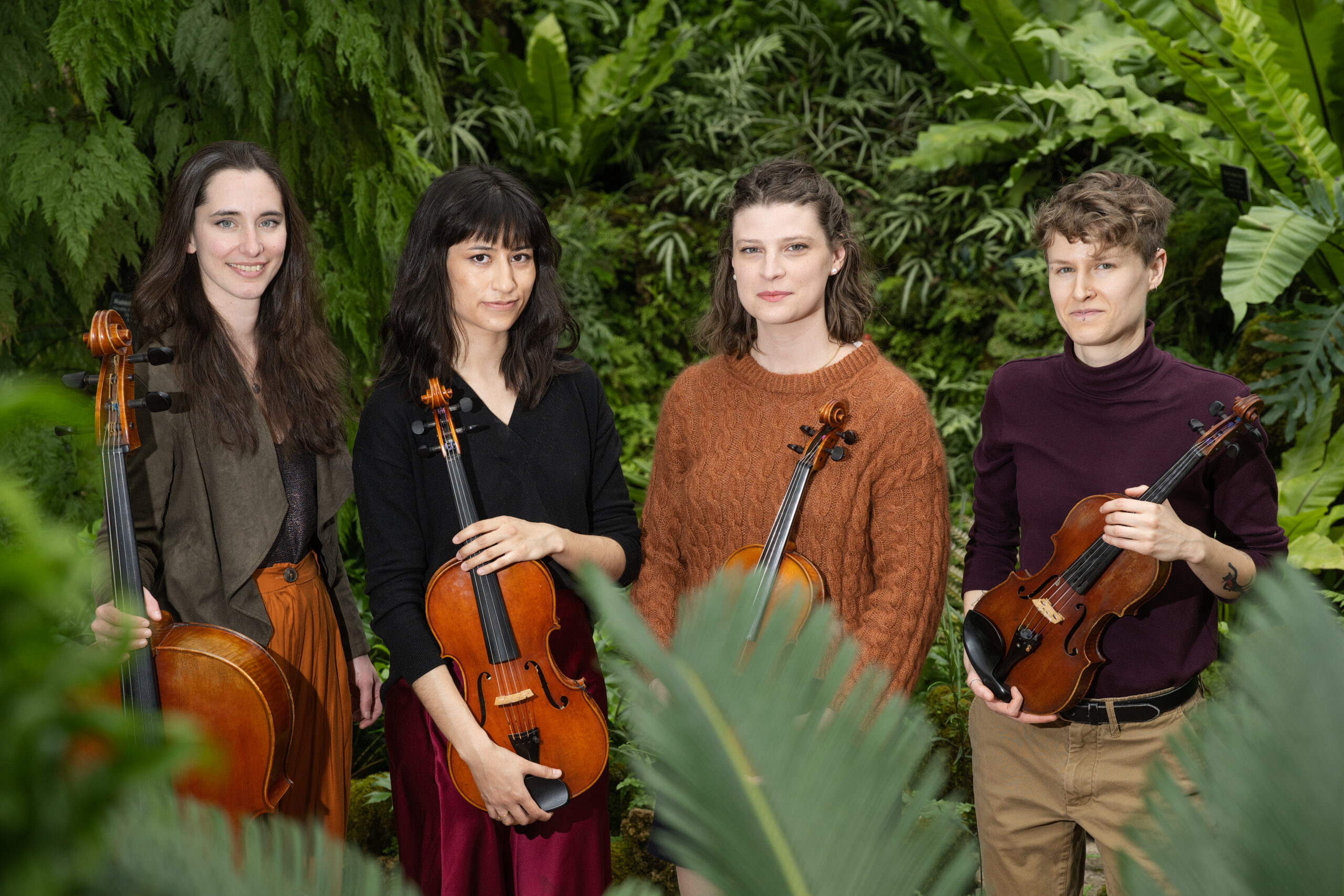
Carmen Abelson and Hannah Christiansen, violins; Lena Vidulich, viola; Isidora Nojkovic, cello

Program

  • Grazyna Bacewicz (1909-1969) - String Quartet No. 4 (1951) (22')
  • I. Andante, Allegro molto
  • II. Andante
  • III. Allegro giacoso
  • Joseph Haydn (1732-1809) - String Quartet in C Major, Op. 20 No. 2 (1772) (22')
  • I. Moderato
  • II. Capriccio: Adagio
  • III. Menuetto: Allegretto
  • IV. Fuga a 4 soggetti: Allegro
  • Grazyna Bacewicz (1909-1969) - String Quartet No. 4 (1951) (22’)
  • Grażyna Bacewicz was born into a musical family in Łódź, Poland. She studied at the Warsaw Conservatory and, later, in Paris: composition with Nadia Boulanger, and violin with Carl Flesch. Bacewicz became an extraordinary professional violinist, as a concert violinist and as principal violinist of the Polish National Radio Symphony Orchestra, while pursuing a parallel and prolific career as an award-winning composer. Following the German occupation in WWII, Bacewicz was part of the Underground Union of Musicians that sustained musical life during the war. Following the Warsaw uprising of 1944, her family fled, eventually settling back in Łódź after the war, where Bacewicz became a professor at the conservatory. Commissioned by the Underground Union, Bacewicz’s Fourth Quartet completed in 1951 was an immediate success. It won first prize at the International Composers’ Competition in Liège and the Polish National Prize in 1952. In 1953 it became a required piece for competitors in the International String Quartet Competition in Geneva and, in 1956, it was featured in the first International Festival of Contemporary Music. The first movement is a meticulously managed flow of both gradual and sudden change involving nearly every musical facet: tempo, meter, dynamics, texture, phrasing accents, and tone production. This, in turn, shapes an equally controlled formal (i.e. narrative) organization with an introduction (that will recur as a main structural element), a simple and slightly plaintive folk-like theme, variations, a second theme (in the cello and then viola) marked both “sweet” and “melancholy”, a recapitulation and, finally, a wild climax for a big, bold ending. Bacewicz’s mastery of string technique imbues the texture with a rich and expressive color. The second, slow movement, is less volatile, in a sense, more straightforward than the first. The mood is significantly more subdued, mysterious, and even fantastic in the literal sense of otherworldly. Again, expressive technical effects and finely shaped dynamics evoke a dream-like atmosphere punctuated by a vaguely ominous “ticking”. Amidst the chromatic lines, shapes, and figurations, a variation of the first movement folk tune adds thematic continuity. The Allegro giocoso finale is a vividly captivating example of Bacewicz’s neoclassical approach. It follows the form and character of a lively dance-inspired rondo, a staple of the classical style with modern sensibilities. The main theme employs the Polish oberek, a sprightly leaping dance. Typical of rondo form, the theme recurs (with inspired variation) between contrasting episodes. In the penultimate episode, Bacewicz provides a particularly delicate hornpipe leading to the final refrain where all four players sprint towards a conclusion of symphonic proportions. Program notes by Kai Christiansen
  • Joseph Haydn (1732-1809) 0 String Quartet in C Major, Op. 20 No. 2 (1772) (22’)
  • According to a list Haydn compiled of those works he considered his "true" string quartets, Op. 20 was his third set of six quartets, preceded by Op. 17 and Op. 9. All three groups were composed between 1769 and 1772, a period of merely three years in which the pioneering Haydn produced eighteen quartets. This burst of creative effort might well be regarded as the most important in the history of the string quartet. Showing a steady progress through Op. 9 and Op. 17, Haydn realized the full bounty of his exploration with Op. 20, six masterpieces conceived as an integrated set immediately regarded as a towering achievement, the very first crucial landmark in the history of the string quartet. The cover of the first printed edition featured an illustration of the sun and they have been known as the "Sun" quartets ever since. The musicologist Donald Tovey referenced this nearly prescient visual symbolism by writing that Op. 20 was "a sunrise over the domain of sonata style and quartets in particular." Tovey continues with an astonishing assessment: "Every page of the six quartets of Op. 20 is of historic and aesthetic importance; and though the total results still leave Haydn with a long road to travel, there is perhaps no single or sextuple opus in the history of instrumental music which has achieved so much or achieved it so quietly… With Op. 20 the historical development of Haydn's quartets reaches its goal; and further progress is not progress in any historical sense, but simply the difference between one masterpiece and the next." The second quartet in C major is perhaps the finest of the set, a diamond among its fellow precious jewels. Musicologist William Drabkin calls this quartet alone "one of the supreme achievements of the Classical period." Every movement, possibly every measure offers something to admire. Throughout this quartet, the cello is finally emancipated from its humble role as a keeper of the base line to become a fully independent voice in a four-part texture. The cello sings the first theme of the opening movement in its higher register, initiating a brief three-part fugato for a sonata exposition that is uniquely and strikingly contrapuntal. As if a signature of the quartet, the cello renews its featured role at least three times more: the first solo theme in the second movement, the lead in the minuet's trio, and an equal voice in the elaborate fugal finale.” Program notes by Kai Christiansen

“Destined to impress even the most attuned music lovers” (Chicago Magazine), Varo String Quartet (Carmen Abelson and Hannah Christiansen, violins; Lena Vidulich, viola; and Isidora Nojkovic, cello) came together over their shared love for the existing string quartet literature and excitement about the possibilities for what the ensemble can become in the hands of today’s composers. Lauded for the “killer ambiance” (AudPod) of their concert experiences, the Quartet prides itself on inventive programming and spirited, intimate, and risk-taking performances. They are named after one of the three witches of Surrealism, the painter Remedios Varo, whose vibrant creativity, juxtaposition of themes, and lifelong pursuit of discovery inspire the Quartet to pair “music that everybody knows [with] music that nobody knows” in thought-provoking and unexpected ways. 


The 2025-2026 season sees VSQ making their recital debut at The Block in Muskegon MI, in residence with Western Michigan University’s composition department, and returning to two favorite Chicago venues, the May Chapel at Rosehill Cemetery and Fulton Recital Hall at the University of Chicago. Other season highlights include a long-awaited double bill with Quince Ensemble at The CheckOut and the November release of Luis Fernando Amaya’s portrait album nacen en silencio, which features VSQ’s recording of Dialectico De Árbol No. 4


The members of VSQ have backgrounds spanning many genres and have performed with groups including Chicago Sinfonietta, Ensemble Dal Niente, Japanese Breakfast, the Lyric Opera of Chicago Orchestra, the Milwaukee Symphony Orchestra, and Thurman Barker & the Cagy Bird Orchestra. Collectively, they hold degrees from DePaul University, the Manhattan School of Music, Northwestern University, Oberlin Conservatory, Rice University, and the University of Ottawa. Their work together as VSQ has unearthed a “penchant for playing in unusual spaces” and past season highlights include the 2024 premiere of Kristopher Bendrick’s large scale work for quartet and soprano, what it means to fall apart, the 2025 premiere of Noah Jenkins’s Poetics of Space Translation Symmetry with saxophone quartet ~Nois on Chicago’s Frequency Festival, a portrait concert of Grazyna Bacewicz at the International Museum of Surgical Science, and performing works of David Lang and Julia Wolfe with conductor Donald Nally (The Crossing) and the Northwestern University Contemporary Vocal Ensemble.

About the Rush Hour Concerts

The concerts are generously sponsored by the Irving Harris Foundation and partially supported by a grant from the Illinois Arts Council.

Upcoming Performances

Stay connected with us on social
Join our mailing list and stay up to date.
<

Subscribe

* indicates required