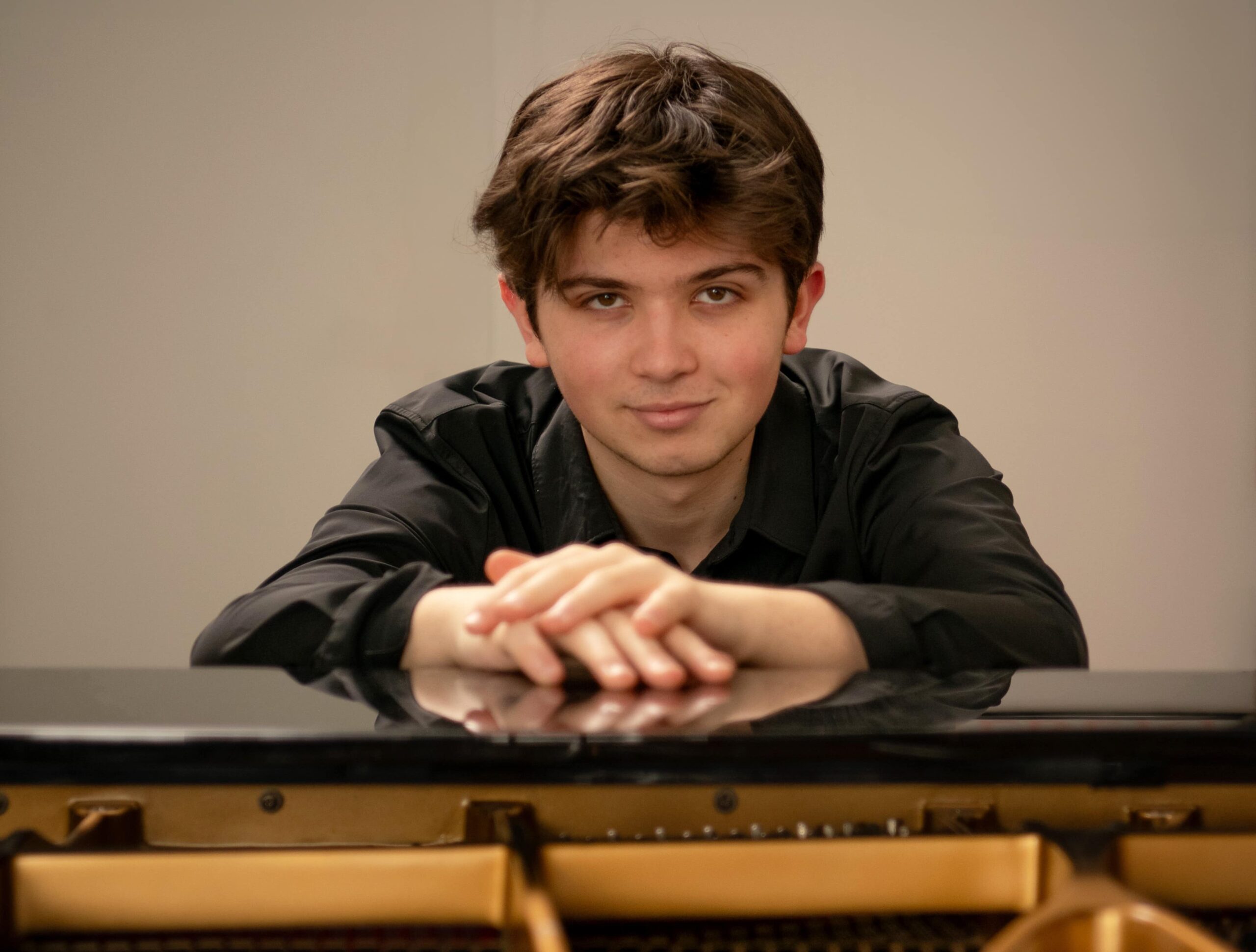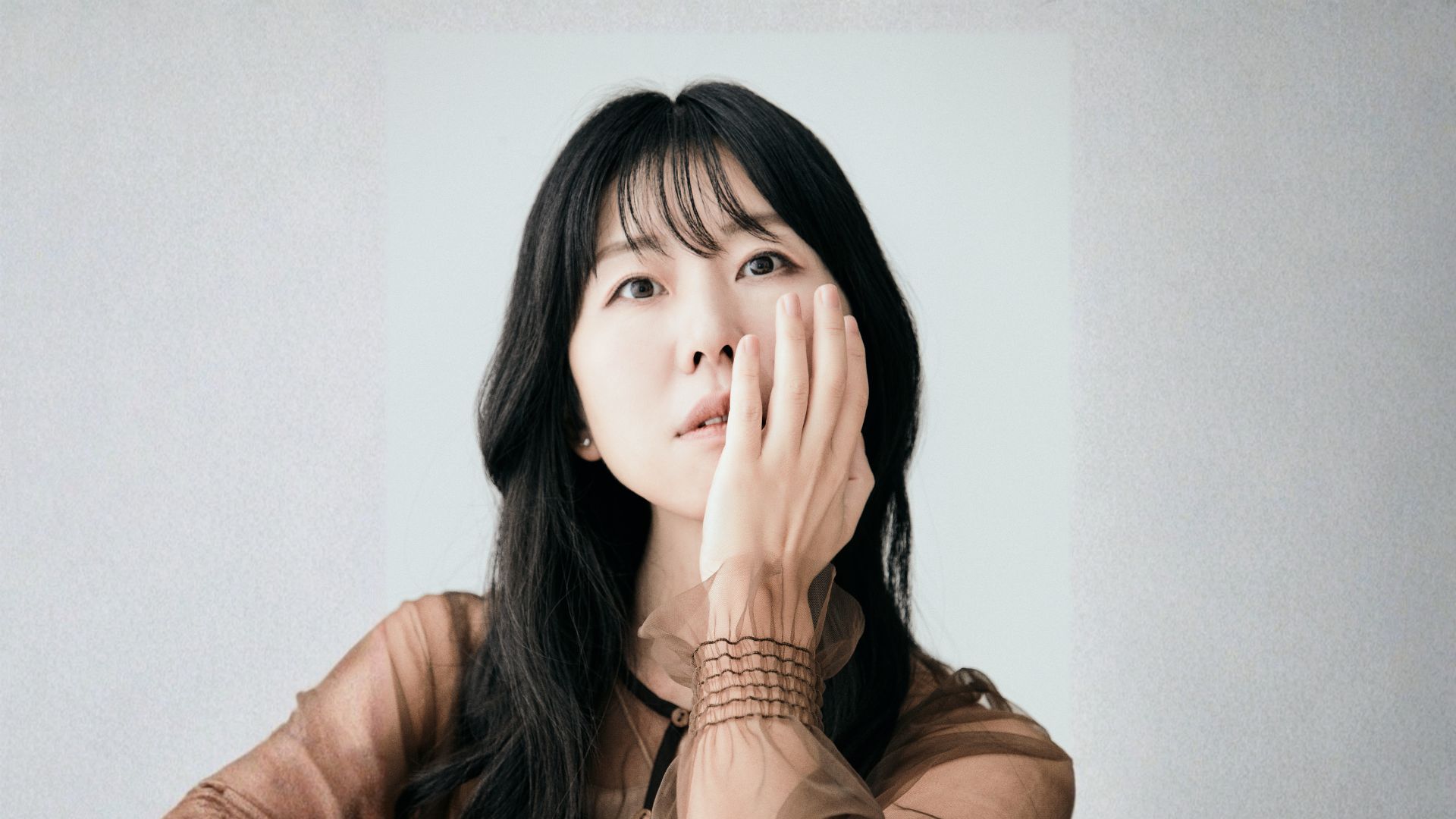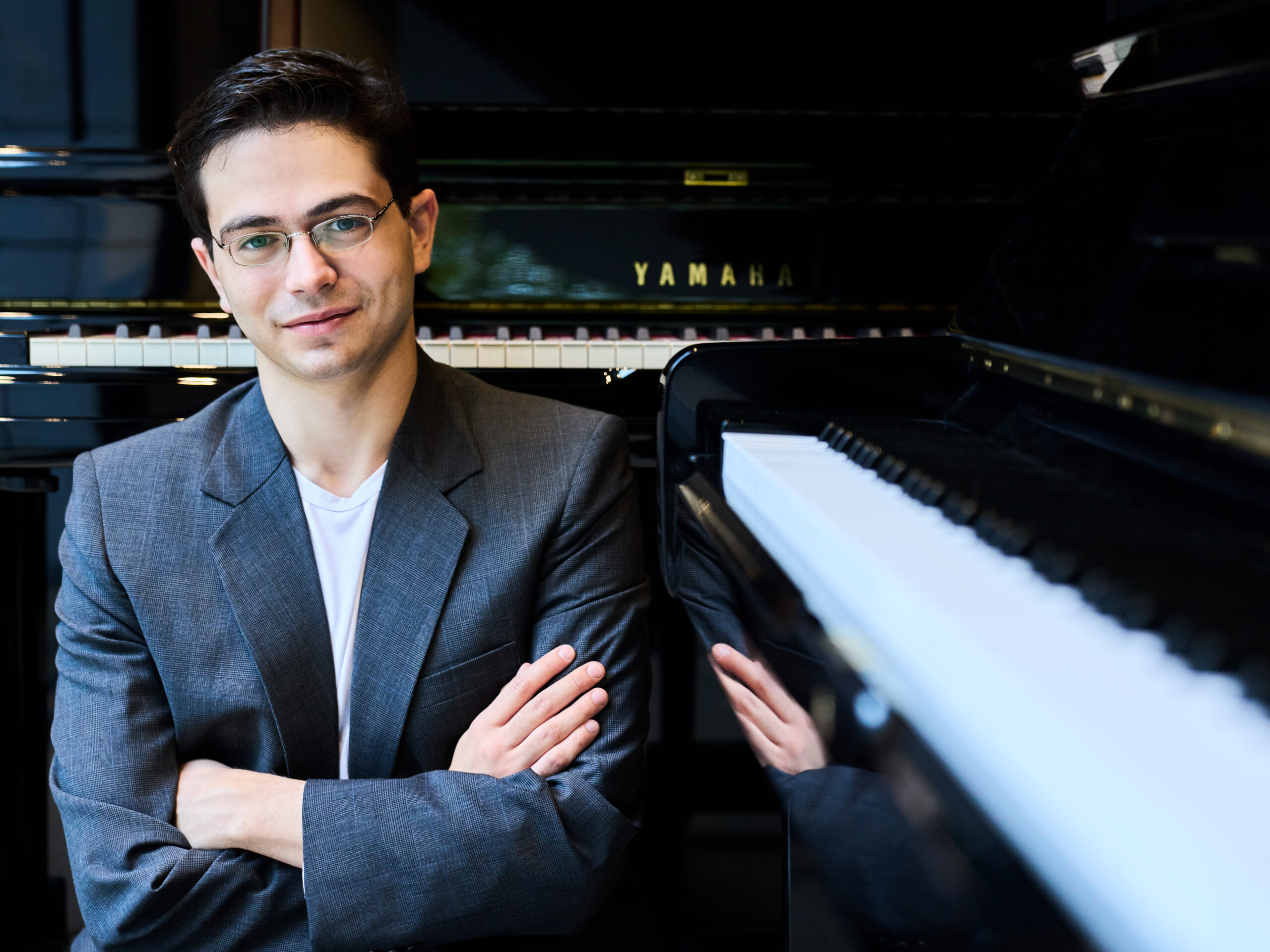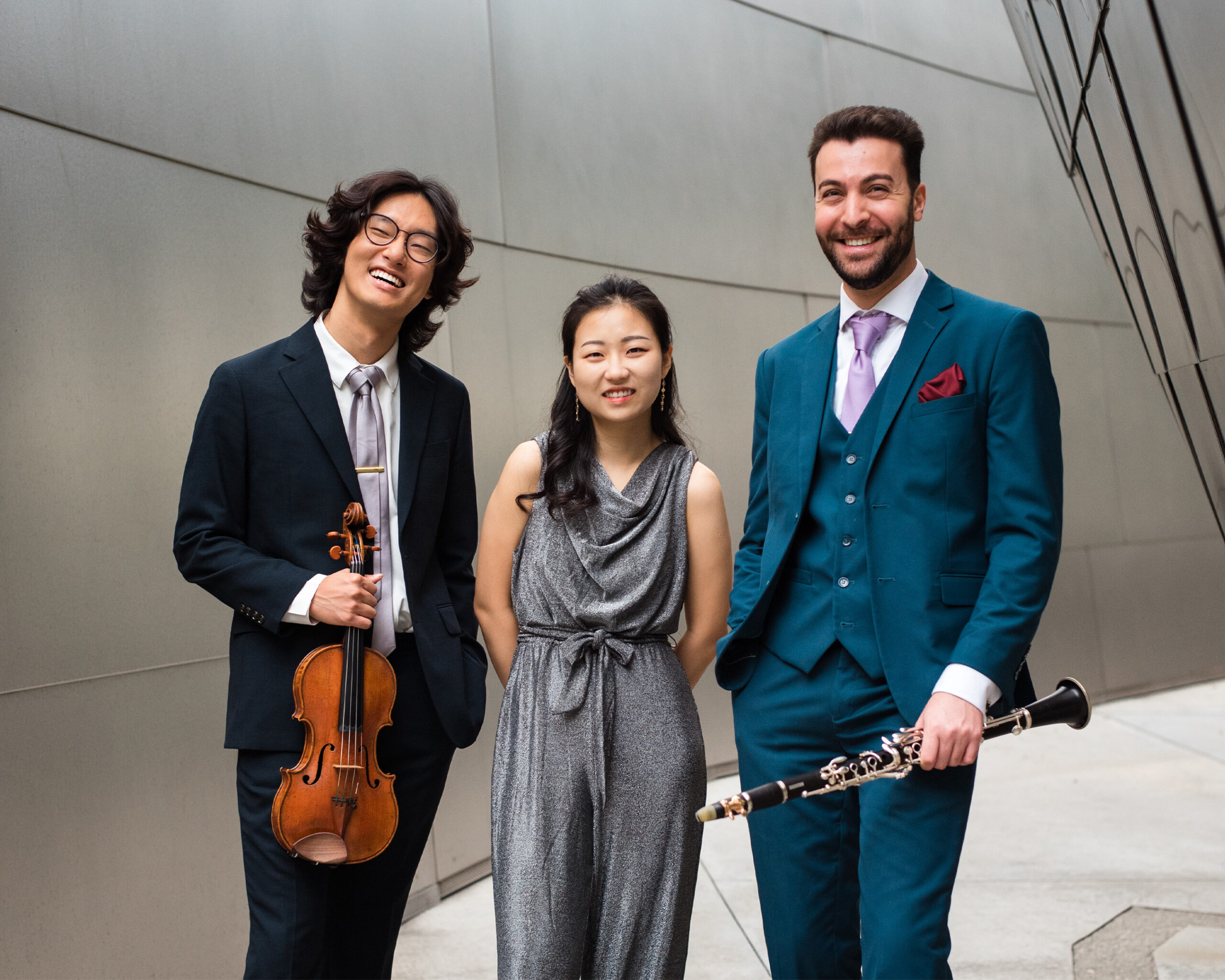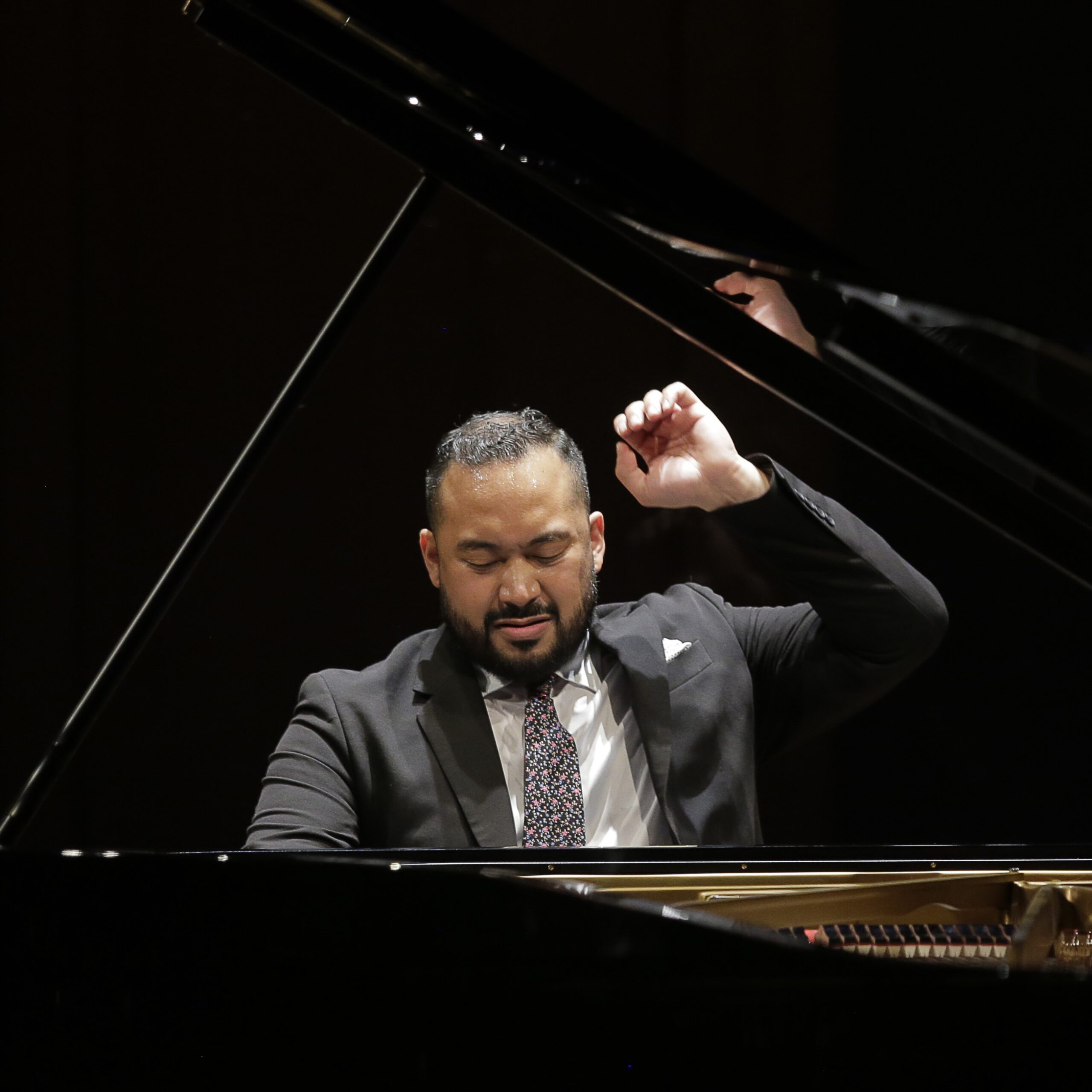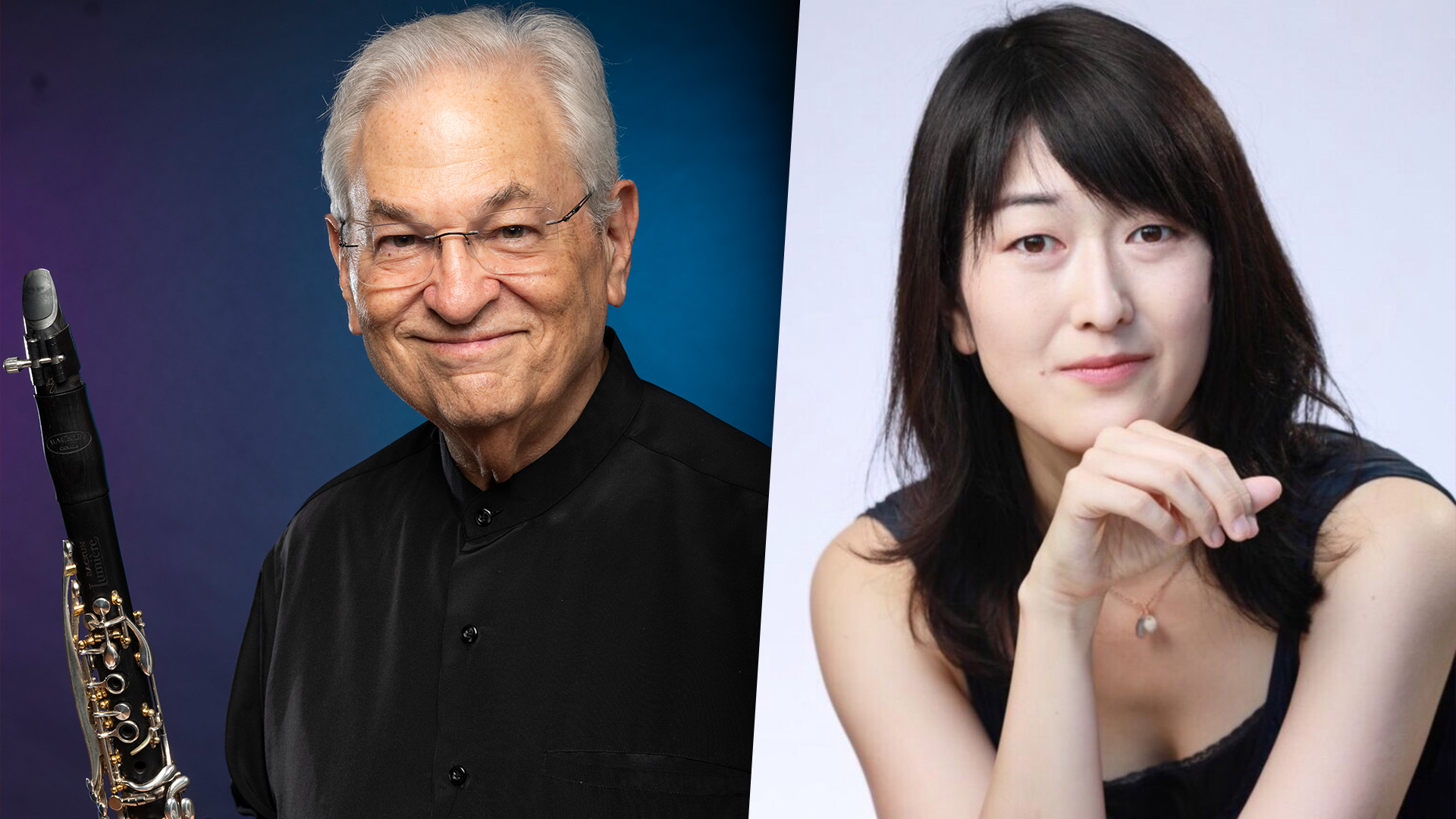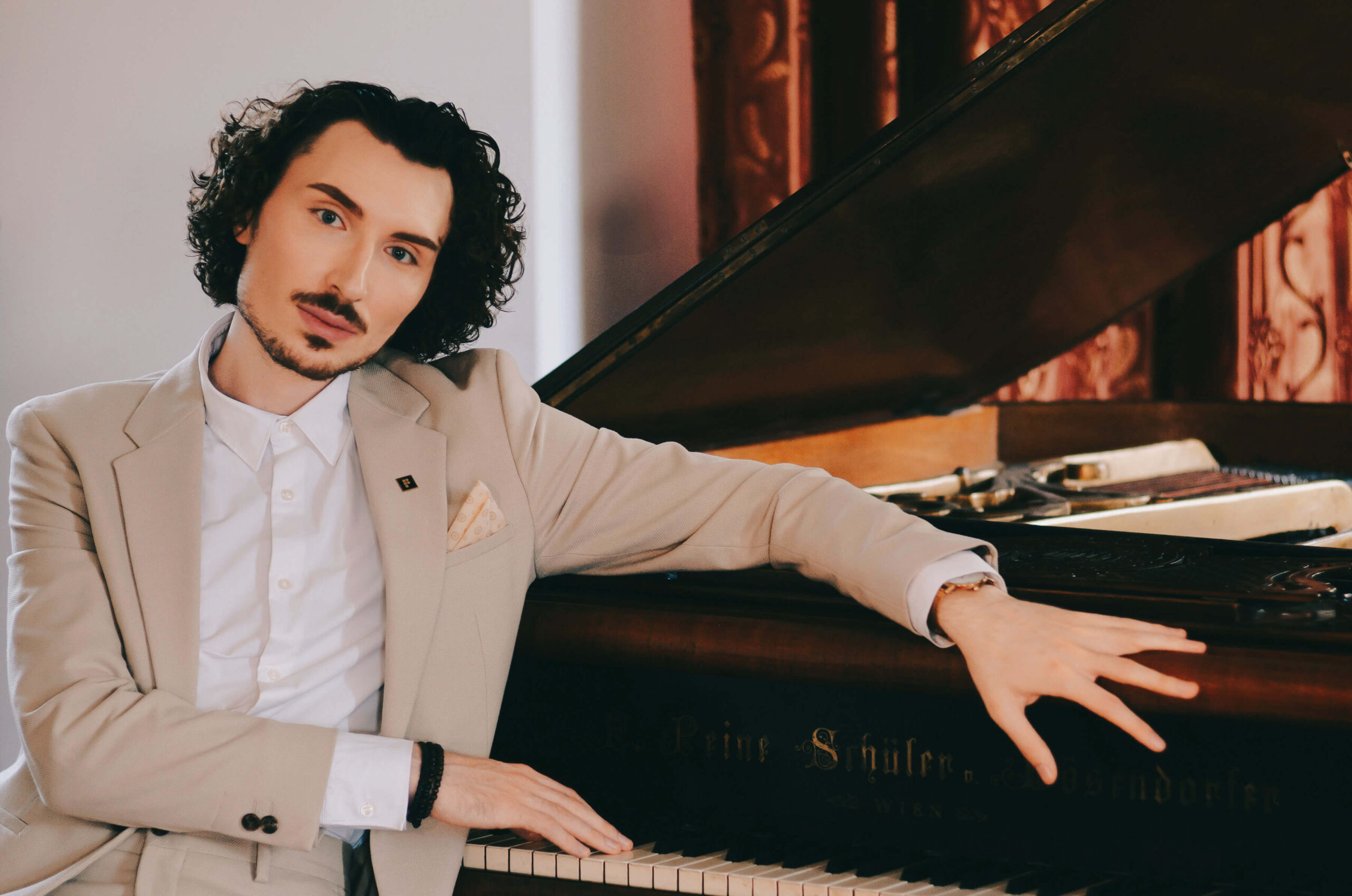

James Baik, cello; Haddon Kay, cello; Sydney Lee, cello; Luiz Venturelli, cello

Program

  • Wolfgang Amadeus Mozart (1756-1791); arr. Douglas B. Moore - Overture to Marriage of Fígaro (1785) (3’)
  • Richard Wagner (1813-1883) - Feierliches Stucke from Lohengrin (1848) (7’)
  • Gioachino Rossini (1792-1868); arr. Douglas B. Moore - Overture from Barber of Seville (1816) (10’)
  • Jules Massanet (1842–1912); arr. Aurelien Sabouret - Meditation from Thais (1893) (5’)
  • Johann Strauss II (1825-1899); arr. Galvin Cello Quartet - Overture to Die Fledermaus (1874) (9’)
  • Wolfgang Amadeus Mozart (1756-1791); arr. Douglas B. Moore - Marriage of Fígaro: Overture (1785) (3’)
  • The overture to the opera Le nozze di Figaro, the first of Mozart's three collaborations with librettist Lorenzo Da Ponte (the other two are Don Giovanni and Così fan tutte), begins with a busy whispering and buzzing that develops quickly into a short-breathed little theme that might just slip by the less than alert listener. Then, bang!, comes a tutti with trumpets and drums, the music subsequently driven by scampering violins, flutes, and oboes in a succession of hectically upbeat figurations, the whole accomplished in four minutes. The piece is self-contained, which is to say that it does not quote themes from the opera proper nor does its ending fade into the opening measures of the opera, both also characteristic of the overtures to Mozart's Abduction from the Seraglio, Così fan tutte, and The Magic Flute. The Figaro overture does, however, give us a delectable foretaste of the mood of its opera: fleet, witty, often acerbic in its humor. The overture, it might be noted, originally contained a slow middle section with a melancholy oboe solo. But contrast be damned, Mozart wisely decided, and maintained the swirling, manically jolly mood throughout. Figaro was first presented on the stage of Vienna's Burgtheater in May of 1786. The composer conducted from the keyboard. Program notes by Herbert Glass
  • Richard Wagner (1813-1883) - Feierliches Stucke from Lohengrin (1848) (7’)
  • Wagner composed most of Lohengrin during his years as Kapellmeister in Dresden (he was second Kapellmeister, actually, but a very active one – sort of general music director for the King of Saxony). The composer sided with the republican rebels in the abortive revolution of 1848, and when Prussian soldiers regained control of the city the following year, Wagner fled, first to the shelter of Franz Liszt in Weimar, then on to Switzerland on a fake passport. There Wagner completed Lohengrin, dedicating it to Liszt, who gave the premiere in Weimar in August 1850, with the composer necessarily absent in exile. (Wagner had led a concert performance of the Act I finale in Dresden in September 1848, during the brief revolutionary era.) The medieval tale of chivalry and betrayal contrasts spiritual purity and striving against worldly evil and machinations. The title character is one of the knights of the Grail, and the Prelude to the first of the three acts musically depicts a vision of the Grail descending to earth. Wagner does this with shimmering, nearly static, strings at first, swelling to a grand climax with the rest of the orchestra as the Grail finally touches down.” “Feierliches Stucke” is an arrangement of musical material found in Act II of the operetta, during a slow and solemn procession to the cathedral. Program notes by John Henken
  • Gioachino Rossini (1792-1868); arr. Douglas B. Moore - Overture from Barber of Seville (1816) (10’)
  • Rossini had already scored successes with other works by 1813, when Il barbiere di Siviglia (The Barber of Seville)—a failure at its premiere, but triumphant thereafter—transformed him into a superstar among composers. The joys of this piece delighted every audience, who thrilled not only to the vocal highlights but also to the opera's uniquely exhilarating overture. Most of the overture is marked allegro vivace. The special feature of the second half is the celebrated ‘Rossini crescendo,’ in which the same sequence is played and then repeated twice, with an exciting increase in volume and animation as it proceeds. The overture ends with a similarly exciting coda that sets the tone for an opera full of humor and dazzling high spirits. Program notes by Lyric Opera Chicago
  • Jules Massanet (1842–1912); arr. Aurelien Sabouret - Meditation from Thais (1893) (5’)
  • Although it is often performed as a concert work, the achingly beautiful strains of the Meditation originate in the opera house as an intermezzo in Massenet's masterpiece, Thaïs. Although still performed to this day, it does not have a secure position in the operatic repertoire in the way that his Manon and Werther do. The title role in the opera was composed for the young Californian soprano Sybil Sanderson, who was known both for her vocal prowess and physical beauty. Massenet was enchanted by her, having already made significant changes to his hit Manon and written the opera Esclarmonde for her when he began composing Thaïs. The story follows the life of the famed Alexandrian courtesan Thaïs and the monk Athanaël who has come to convince her to renounce her sinful life. She is driven into hysterics by the monk's words, seeing emptiness in her life and the approach of old age, until she collapses. The famous Meditation that follows her collapse musically depicts her conversion to a life of piety. The opera ends tragically, as Athanaël, having successfully converted her and returned to his monastery, is tormented by what he realizes is love for the former courtesan. He returns to Alexandria to find her dead and confesses his love and physical desire for her to the unhearing ears of her corpse. Religious conversion aside, the Meditation is a superbly beautiful melody crafted with extreme delicacy. It is no wonder that it has found a place in the repertoire independent of the opera and, though originally for solo violin and orchestra, has been arranged for almost every instrument imaginable. Program notes by John Glover
  • Johann Strauss II (1825-1899); arr. Galvin Cello Quartet - Overture to Die Fledermaus (1874) (9’)
  • By the 1860s the operettas of the Parisian, Jacques Offenbach, had come to dominate musical theatre in Vienna, and who better to counter the blandishments of the Frenchman than the local ‘Waltz King?’ Turning to the composition of operetta, by 1899 Johann Strauss II had composed over a dozen of them. But, none succeeded as did Die Fledermaus (The Bat). First performed in 1874, the infectious melodies, zany stage shenanigans, and general light-hearted élan have firmly established the operetta as an audience favorite everywhere. There is no sinister little furry creature in this work, rather, the title stems from a ludicrous incident before the comedy even begins: a drunken notary, dressed in a risible bat costume, awakens the morning after a revelry lying in a public park, ridiculed by the local children. A plot of revenge, a sparkling masked ball replete with mistaken identities, and other humorous incidents take it from there. The overture features the immortal central waltz from the show, woven together with zestful polkas and other familiar tunes from the drama. The immense appeal of Strauss’s inimitable melodies is enhanced with the essential nuances of coy Viennese musical styling that have no peer in creating grace, refinement, and—pleasure! Program notes by William E. Runyan

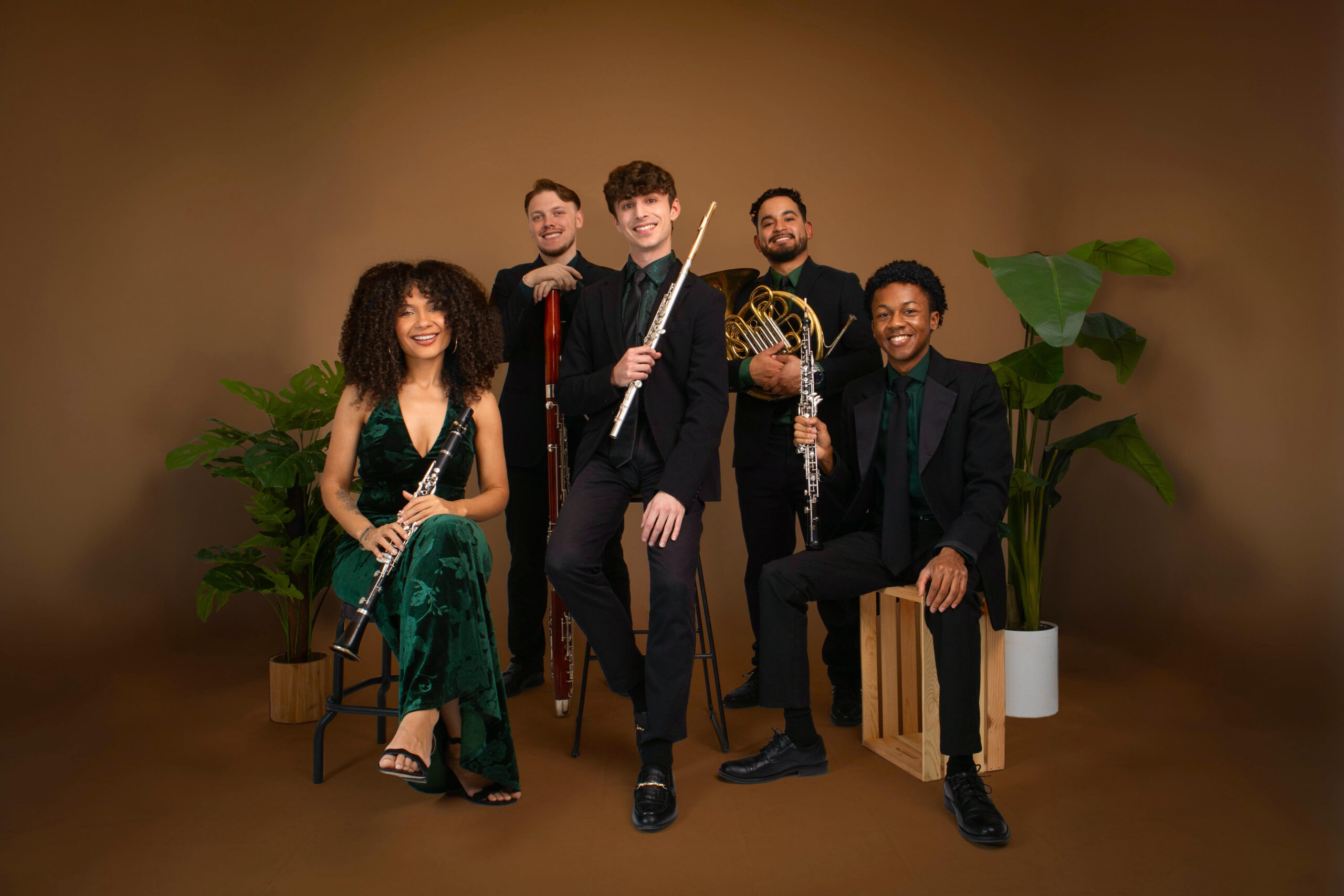
Composed of members from Brazil, South Korea, and the United States, the Galvin Cello Quartet burst onto the scene after capturing the Silver Medal at the 2021 Fischoff Competition, followed by winning the 2022 Concert Artists Guild Victor Elmaleh Competition and joining the Concert Artists Guild roster. The Quartet takes its name from the Mary B. Galvin Recital Hall at Northwestern University’s Bienen School of Music where three of its members – Sydney Lee, Haddon Kay, and Luiz Fernando Venturelli – met as students in the studio of acclaimed pedagogue Hans Jørgen Jensen. In June of 2024, the Quartet welcomed James Baik, another former student of Jensen, as their newest member. With their untamable desire to create, change, and ultimately bring joy through music, the Galvin Cello Quartet is incredibly excited to explore and expand the possibilities of the cello quartet. Using the limitless range of a cello ensemble, the group’s mission is to bring together new works from diverse cultural backgrounds while seeking to establish the cello quartet as a core part of the classical music world. The Galvin Cello Quartet embodies virtuosity, with each member bringing their own artistic nuance and acclaimed background to the ensemble. Recent and upcoming highlights include performances and residencies at Bravo! Vail, Ravinia, Ascent International Cello Festival, Newport Classical, Merkin Hall, and the Walton Arts Center.


Sydney Lee captured First Prize at the 2022 Washington International Competition and Second Prize at the Classic Strings International Competition in Dubai, as well as First Prize at the 10th Antonio Janigro International Cello Competition. She has performed in venues such as the Kennedy Center Palladium Center for the Performing Arts, Pittsburgh Symphony’s Heinz Hall, and Verizon Hall.


Haddon Kay first debuted with the Civic Orchestra of Chicago as a finalist for the Chicago Symphony Young Artist Competition. Most recently, he captured Third Prize at the George Enescu International Competition and First Prize at the Luminarts and American Opera Society competitions.


Luiz Fernando Venturelli made his solo debut at the São Paulo Hall at the age of 9 and has since been featured as a soloist with numerous orchestras, including the São Paulo State Symphony, the Goiás Philharmonic, and the Bahia Symphony. He has recently been a prizewinner in the Sphinx Competition, the Samuel and Elinor Thaviu String Competition, and the New York International Artists Association.


Also a student of Hans Jørgen Jensen, James Baik is a First Prize winner of the 2023 Susan Wadsworth Young Concert Artists International Auditions and recipient of the Paul A. Fish Memorial Prize and the Bridgehampton Chamber Music Prize. He is a YCA Jacobs Fellow and has played chamber music at the Ravinia and Bridgehampton Festivals. He studies at the Colburn School under Clive Greensmith.

About the Rush Hour Concerts

The concerts are generously sponsored by the Irving Harris Foundation and partially supported by a grant from the Illinois Arts Council.

Upcoming Performances

Stay connected with us on social
Join our mailing list and stay up to date.
<

Subscribe

* indicates required