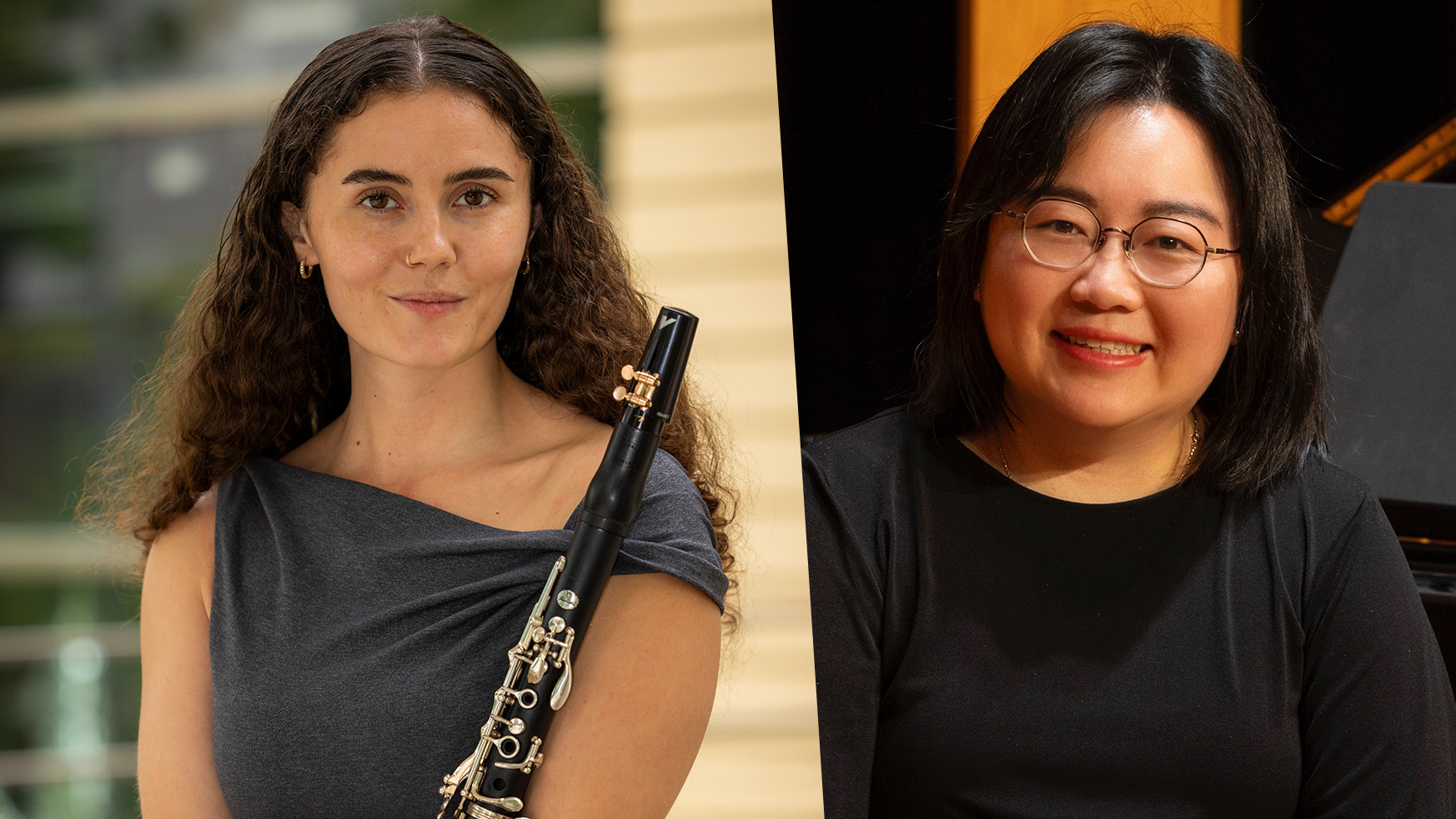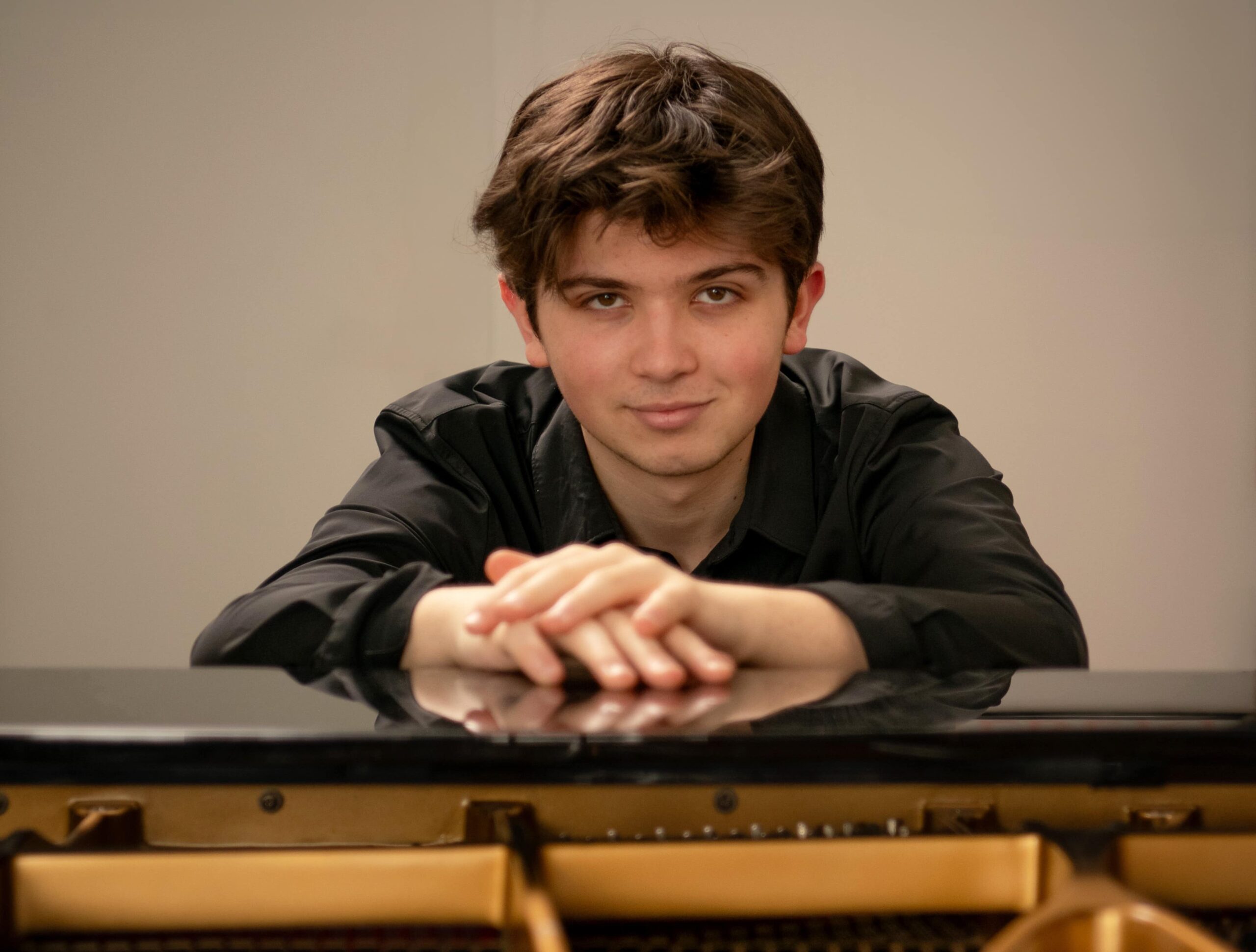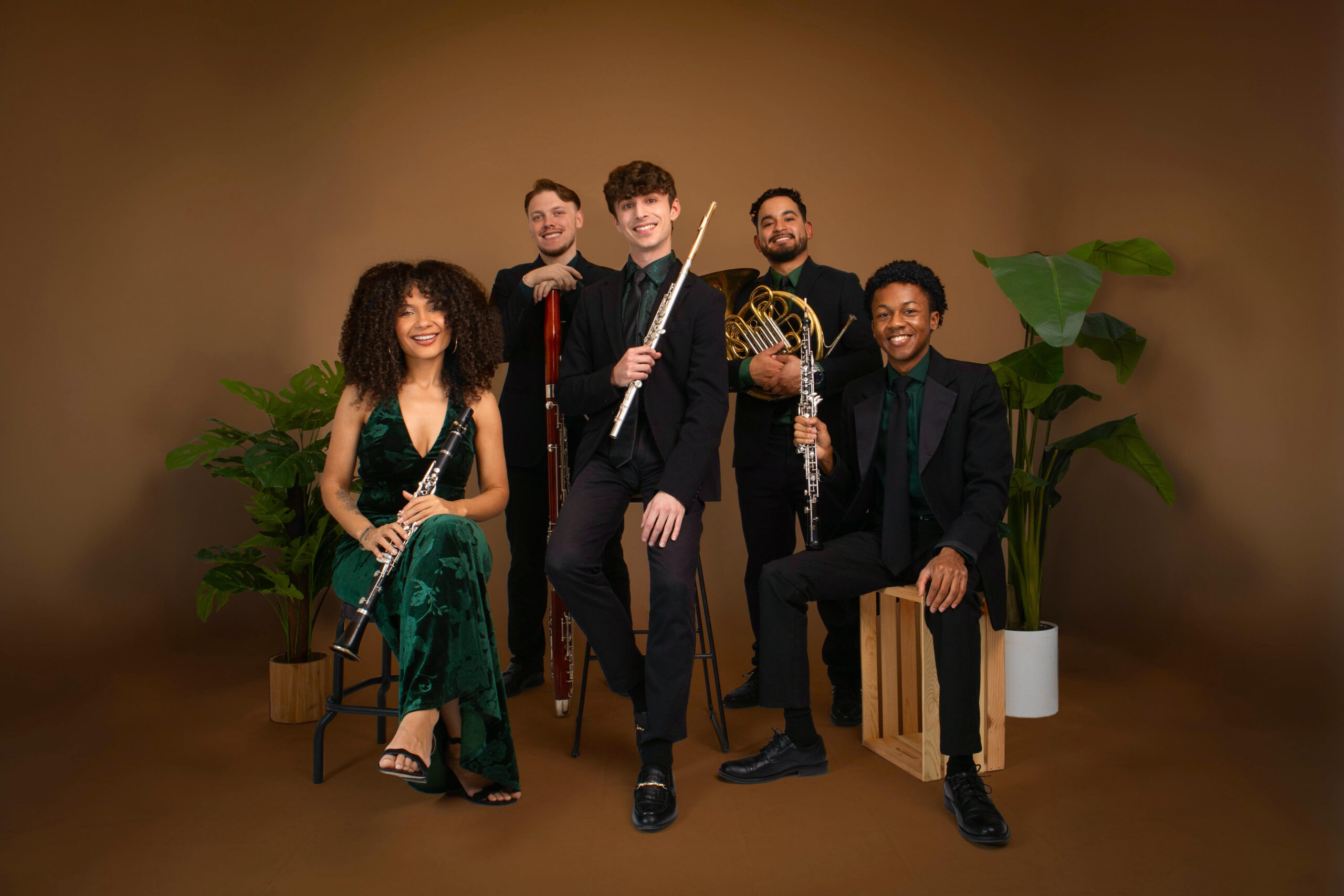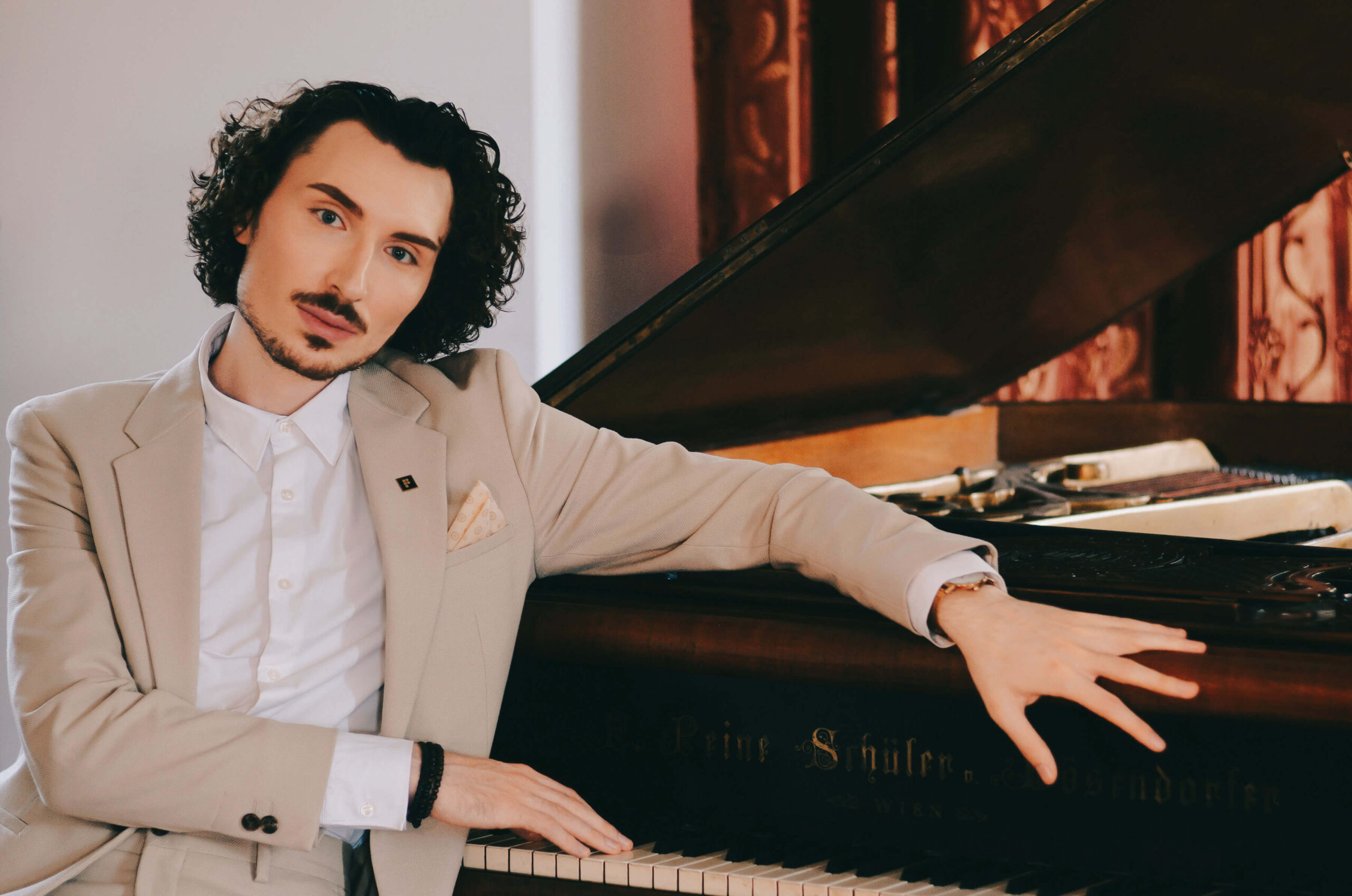
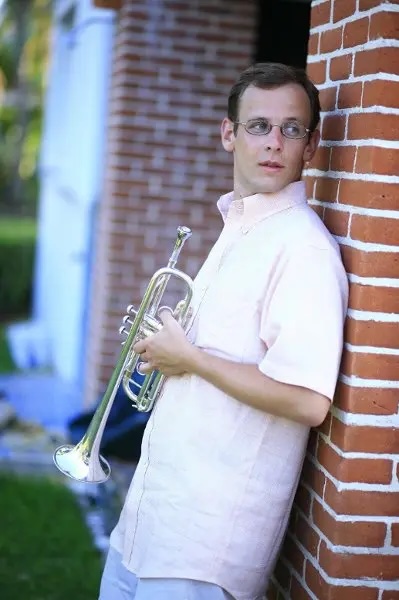
Christian Anderson and Jordan Olive, trumpets; Susanna Gaunt, horn; Adam Moen, trombone; Matthew Gaunt, tuba

Program

  • Samuel Scheidt (1587-1654) - Canzona Bergamasca (5’)
  • Tomaso Giovanni Albinoni (1671-1751) - Sonata Op. 6, No. 11 “St. Marc” (8’)
  • I. Grave
  • II. Allegro
  • III. Andante
  • IV. Vivace
  • Johann Sebastian Bach (1685-1750) - The Art of Fugue, BWV 1080 (~1750) (7’)
  • Contrapunctus 1
  • Contrapunctus 9
  • Victor Ewald (1860-1935) - Brass Quintet No 1, Op. 5 (1890) (13’)
  • I. Moderato - Più mosso
  • II. Adagio non troppo lento - Allegro vivace - Tempo I. Adagio
  • III. Allegro moderato
  • Anthony Dilorenzo (b. 1967) - Fire Dance (2004) (4’)
  • Samuel Scheidt (1587-1654) - Canzona Bergamasca (5’)
  • Samuel Scheidt was one of the influential trio of S’s (with Heinrich Schütz and Johann Hermann Schein) who played an important part in both the development of German music of the early Baroque and in the survival of a high level of musical life during the devastation of the Thirty Years War… The Canzona Bergamasca, marked by lively rhythms and contrapuntal inventiveness, comes from an early collection of canzonas and dances published in Hamburg in 1621. The work is a “chain” canzona (similar in form to the canzonas of Gabrieli) in which the material for one section develops out of the material of the previous section, uniquely linking all of the sections together. For additional contrast, there is a tripla section in the middle, and the work ends with a recapitulation of the first theme. The Bergamasca of the title, at this period, refers to the use of melodic material based on a harmonic ground derived from an Italian folk dance of the Bergamo region. Program notes by Arnold Fromme
  • Tomaso Giovanni Albinoni (1671-1751) - Sonata Op. 6, No. 11 “St. Marc” (8’)
  • Tomaso Albinoni was an unusual composer in many ways. An employee of the family business until his father’s death in 1709, he referred to himself simply as a ‘dilettante’, an amateur musician. Even after relocating to Venice, he kept his distance from the professional music scene; as he never subscribed to the Venetian musician’s union, he could never perform publicly in Venice. In spite of this, he composed an enormous 80 operas. During Albinoni’s lifetime, four separate collections of sonatas with violin were published under his name, though only the Trattenimenti Armonici Op. 6 were prepared by their composer. The works in Op. 6 have accordingly dominated the record catalogues. In common with Venetian contemporaries such as the Marcellos, Albinoni observed the conventions of post-Corellian sonata form: four movements configured Slow–Fast–Slow–Fast, where the first pair is more formal (dignified) in character and the second pair more informal (expressive). However, in vocal and instrumental music alike, Albinoni’s style was highly individual, even slightly idiosyncratic: dignified, wary of technical or expressive excess and very attentive to the cantabile side of violin-playing. Program notes by Zero Emissions Baroque Orchestra
  • Johann Sebastian Bach (1685-1750) - Contrapunctus 1 and 9 from The Art of Fugue, BWV 1080 (~1750) (7’)
  • J.S. Bach wrote canons and fugues throughout his creative life. But in his final decade he turned to those old procedures of imitative counterpoint with renewed inspiration and intensity. The Goldberg Variations, the Canonic Variations on the Christmas Song “Vom Himmel hoch,” The Musical Offering, and The Art of Fugue are all rigorously organized, large-scale works based on a single theme. Against the prevailing grain of the modish galant style, Bach explored the farthest technical and expressive reaches of complex counterpoint… Bach composed The Art of Fugue in two stages—possibly interrupted by the creation of The Musical Offering for Frederick the Great in 1747—during the last five years of his life. He was preparing the work for publication when he died, leaving behind an incomplete manuscript and a host of questions. Contrapunctus 1 and 9 showcase the range and complexity of Bach’s work from this time, contrasting the solemnity of the first with the restlessly intertwining lines of the ninth. Despite this variation, the ease with which each line progresses in both settings demonstrates Bach’s fluency in the style. Program notes by John Henken
  • Victor Ewald (1860-1935) - Brass Quintet No 1, Op. 5 (1890) (13’)
  • Victor Ewald was a Russian composer of music, mainly for conical brass instruments. Ewald’s professional life, like that of many of his musical contemporaries, was in an entirely different field: that of a civil engineer, in which he excelled, being appointed in 1900 as professor and manager of the Faculty of Construction Materials at the Institute of Civil Engineers. Brass players, however, are indebted to him for something very different – a series of quintets which have become a staple of the repertoire, and which represent almost the only, and certainly the most extended examples of original literature in the Romantic style. Ewald’s formal musical training began in 1872 when he enrolled at the St Petersburg Conservatory at the age of twelve. Founded in 1861 by Anton Rubenstein, this institution was the first of its kind in Russia, and it was here that Ewald received lessons in cornet, piano, horn, cello, harmony, and composition. As an adult, he worked alongside fellow musical nationalists known collectively as the Mighty Handful— Alexander Borodin, Mily Balakirev, César Cui, Modest Mussorgsky and the most famous of all, Nicolai Rimsky-Korsakov. All of these men had “day jobs” in non-musical fields. Ewald’s contributions as a composer reflected an abiding love for brass instruments for which he wrote his quintets scored originally for two cornets, alto horn, baritone horn and tuba. Ewald’s first quintet was composed ca. 1890. It is cast in three movements. The first movement is the most substantial, composed in sonata form with two clear themes and a development section. The second movement begins with a beautiful Adagio, contrasted by a very aggressive Presto section, finally returning to the Adagio. The effect is a dramatic ABA which combines a slow movement with a scherzo, normally separate movements in large-scale works. The uplifting finale brings the work to a triumphant end. —Program Notes from Roar Kvam and CWU Faculty Brass
  • Anthony Dilorenzo (b. 1967) - Fire Dance (2004) (4’)
  • Emmy Award winning composer, trumpet soloist, and Grammy nominated recording artist Anthony DiLorenzo, has established himself as one of the most exciting up and coming composers of today. His bold and stylish music is performed throughout the world with the most renowned orchestras including The San Francisco Symphony, The New World Symphony, The Louisiana Philharmonic, The Utah Symphony, The Tokyo Symphony and The Boston Pops Orchestra. In addition to DiLorenzo’s original works for the concert stage, his work in film and television spans thirty years. Mr. DiLorenzo conducts, produces, and performs on all of his own television and film works. As of today, DiLorenzo has added more than eighty new works for brass and a large collection of original music for Symphony Orchestra, Wind Ensemble, Brass Band and various chamber ensembles of a multitude of instrumentation to his catalogue. This work is a three-and-a-half minute (if you can play it that fast!) show stopper from Emmy award winning Composer, Anthony DiLorenzo. The piece is a dazzling showcase of brass musicality and technique that's perfect as a concert opener or encore. Since its premiere, Fire Dance has quickly become part of the standard brass quintet repertoire used in competitions, festivals and brass workshops worldwide. Fire Dance has been performed in concert by many professional quintets, including the New York Philharmonic Principal Brass, The Chicago Symphony Brass Quintet and the Center City Brass Quintet. Program notes by composer, Anthony DiLorenzo

Jordan Olive is an active freelance musician in the Chicago area, playing in solo recitals, with chamber groups, orchestras, and even with the Temptations! This season, Jordan will be appearing with the Joffrey Ballet and the Chicago Philharmonic. Recently, Jordan has appeared on stage at the Lyric Opera of Chicago and as a guest artist with the Baltimore Symphony Orchestra, the Fulcrum Point New Music Project, and New World Symphony of Miami. Jordan has also performed as principal trumpet with the Orquesta Filarmónica de Santiago, Chile, a member of the Ravinia Festival Orchestra, the Elgin Symphony Orchestra, the Banff Centre Orchestra, the National Orchestral Institute at the University of Maryland, and the Brevard Music Festival Orchestras. Additionally, he has played with the Charleston, South Bend, Southwest Michigan, and Northwest Indiana Symphony Orchestras.


Jordan is an active teacher in the Chicagoland area. He maintains a private teaching studio in Chicago and the North Shore suburbs.


He has performed for and has been coached in Master Classes with Vincent Cichowicz, Jens Lindemann, Crispian Steele-Perkins, Roger Bobo, Chris Gekker, Mark Gould, and David Krauss.


Jordan is a graduate of the trumpet studio at Northwestern University where he completed a Master of Music in Trumpet Performance and Literature with Barbara Butler, Charles Geyer, and Chris Martin. Prior to his master’s studies he was a student of William Campbell at the University of Michigan.

Christian Anderson has been playing trumpet professionally in the chicago area for over 20 years.  Equally skilled in both classical and jazz, he brings a versatile skill set to each performance.  Past work includes performances with the Milwaukee Symphony, Grand Rapids Symphony, Joffrey Ballet, Sapporo Symphony, and numerous other commercial and recording ensembles.
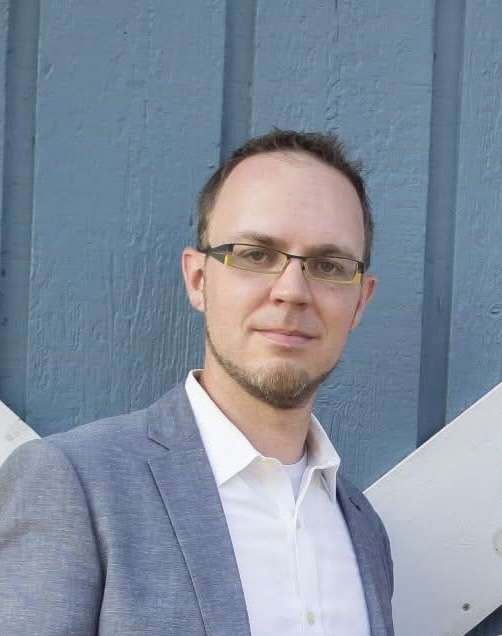
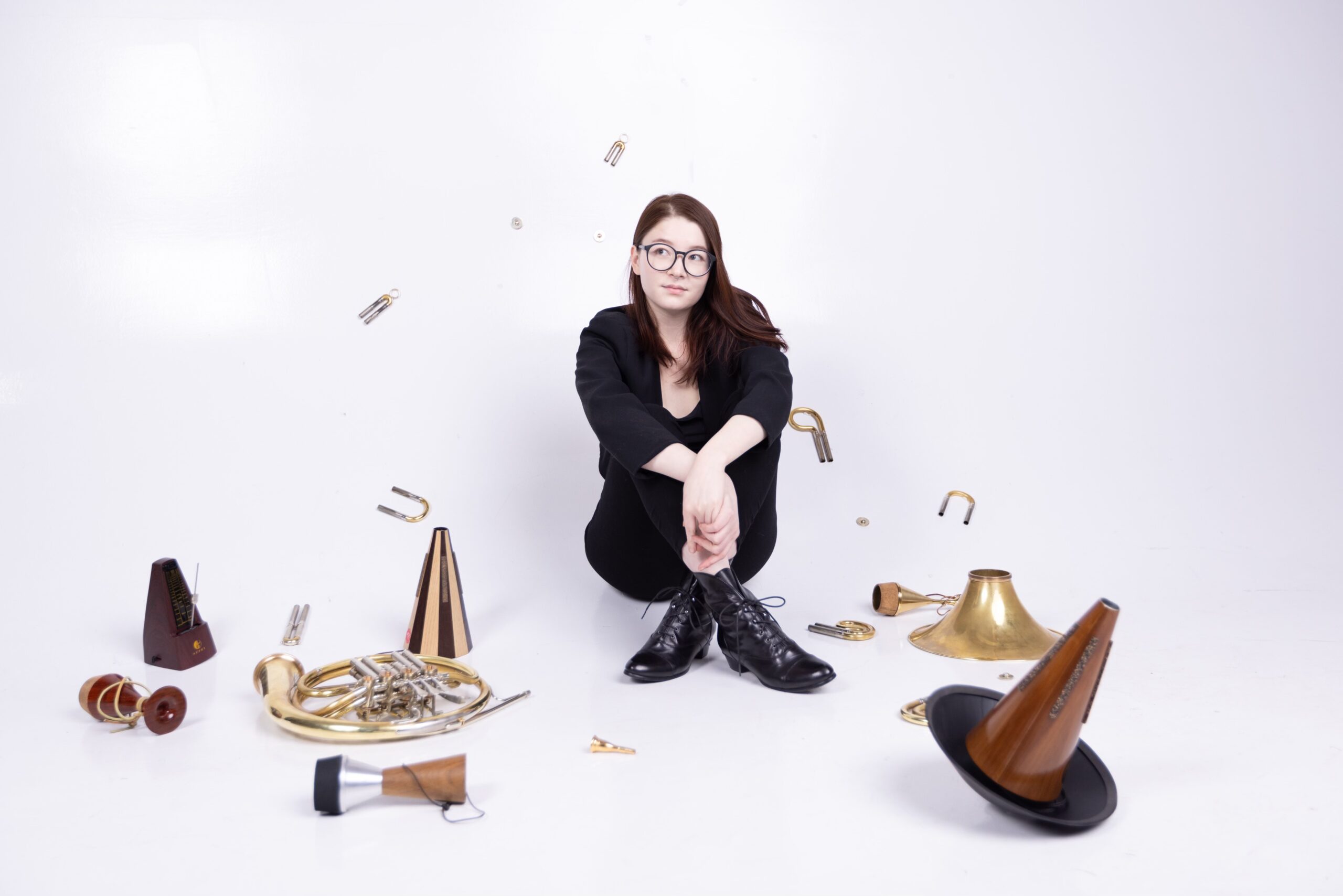
Susanna Gaunt joined the Chicago Symphony Orchestra horn section in January 2006. Just before joining the CSO, Gaunt performed regularly with the San Francisco Symphony, LucasArts Productions (recording movie soundtracks), the California Symphony and the Santa Rosa Symphony. She has held various positions in other orchestras across the country, including third horn in the San Diego Symphony, third/associate principal horn in the San Antonio Symphony, and both third and fourth horn in the North Carolina Symphony. Gaunt also has been a member of the San Diego Chamber Orchestra and the New World Symphony. In addition, she has performed and recorded with the Boston Symphony Orchestra


Gaunt has performed at various music festivals, including Napa Valley’s Music in the Vineyards Festival, the Pacific Music Festival and the Tanglewood Music Festival. A native of New England, Gaunt completed a bachelor of music degree in 1992 at the New England Conservatory of Music in Boston, where her principal teachers were Richard Sebring, Norman Bolter and Richard Mackey. Her primary mentor and inspiration is former teacher Nedo Pandolfi. Along with music, Gaunt has a variety of other interests, including cooking, hiking, gardening and running. She lives in River Forest with her husband, Matthew Gaunt, a tuba player, and their two children.

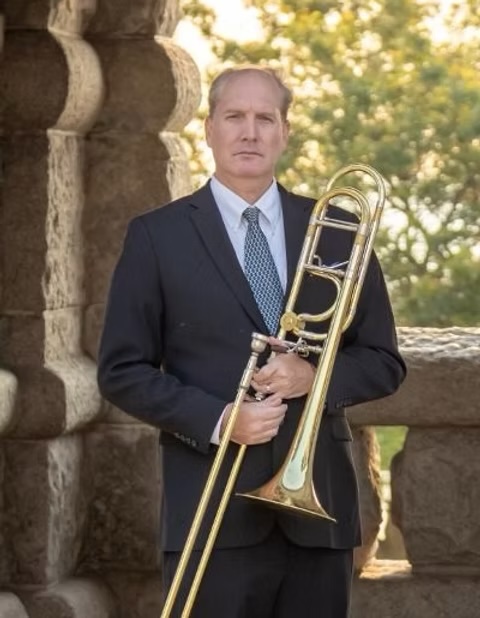
Adam Moen currently holds the positions as section trombone with Elgin Symphony and the Chicago Philharmonic. He performs regularly with the Joffrey Ballet of Chicago, Chicago Opera Theater and the Illinois Philharmonic. As a substitute player, he has performed with the major orchestras of Chicago, Minnesota, Milwaukee, St. Louis, as well as the Lyric Opera of Chicago and the Grant Park Symphony. 


He served as 2nd Trombone/Assistant Principal with the Lyric Opera for the 2007-08, 08-09 seasons. Adam has extensive experience performing in chamber and contemporary ensembles. The list includes Chicago Chamber Musicians, Fulcrum Point, ICE, Pink Martini, Music Now, Contempo and The Rembrandt Chamber Players.
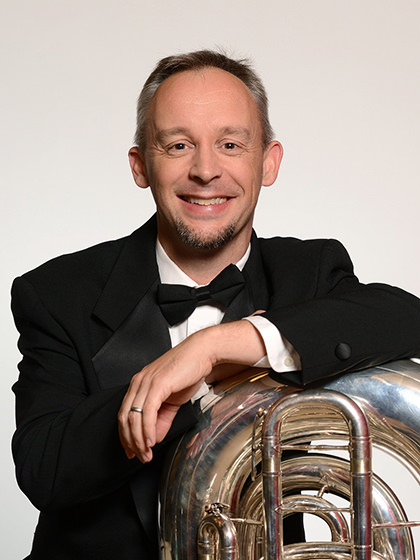
Tubist Matthew Gaunt enjoys a varied career as a performer and educator. He has recorded and toured internationally as a former member of Burning River Brass, Proteus 7, and Boston Brass. He has also performed with Empire Brass, Center City Brass Quintet, Rhythm & Brass, Chicago Chamber Musicians, and the Millar Brass Ensemble. Mr. Gaunt performed as the tubist with the Milwaukee Symphony Orchestra from 2017-2020. He has also performed in concerts and tours with the Chicago Symphony Orchestra, Chicago Lyric Opera, Boston Symphony Orchestra, St. Louis Symphony Orchestra, Indianapolis Symphony Orchestra, Grant Park Festival Orchestra, Chicago Philharmonic, Cincinnati Pops, Boston Pops Esplanade Orchestra, Boston Lyric Opera, Boston Ballet, Boston Philharmonic Orchestra, Sarasota Opera, and many regional orchestras in New England and around Chicago. He has performed as a soloist, chamber musician, and orchestral musician at festivals such as Tanglewood, Ravinia, Blossom, Chautauqua, and Music Masters MMCK.


Since 2017 Matthew has been on the faculty of the Bienen School of Music at Northwestern University teaching tuba, euphonium and coaching chamber music. Formerly visiting assistant professor of tuba and euphonium at the University of Massachusetts at Amherst, Gaunt also has served on the faculties of the VanderCook College of Music and the Peck School for the Arts at the University of Wisconsin Milwaukee as well as the Boston University Tanglewood Institute, South Shore Conservatory, and Greater Boston Youth Symphony Orchestras. He received a bachelor’s degree in tuba performance from Boston University and has studied with J. Samuel Pilafian, Gary Ofenloch, and Chester Schmitz.

About the Rush Hour Concerts

The concerts are generously sponsored by the Irving Harris Foundation and partially supported by a grant from the Illinois Arts Council.

Upcoming Performances

Stay connected with us on social
Join our mailing list and stay up to date.
<

Subscribe

* indicates required