
Pianists Fan Favorites
Seventeenth Church of Christ, Scientist, Chicago, 55 E. Wacker Drive

November 18, 2026

12:15 PM

Seventeenth Church of Christ, Scientist, Chicago - 55 E. Wacker Drive
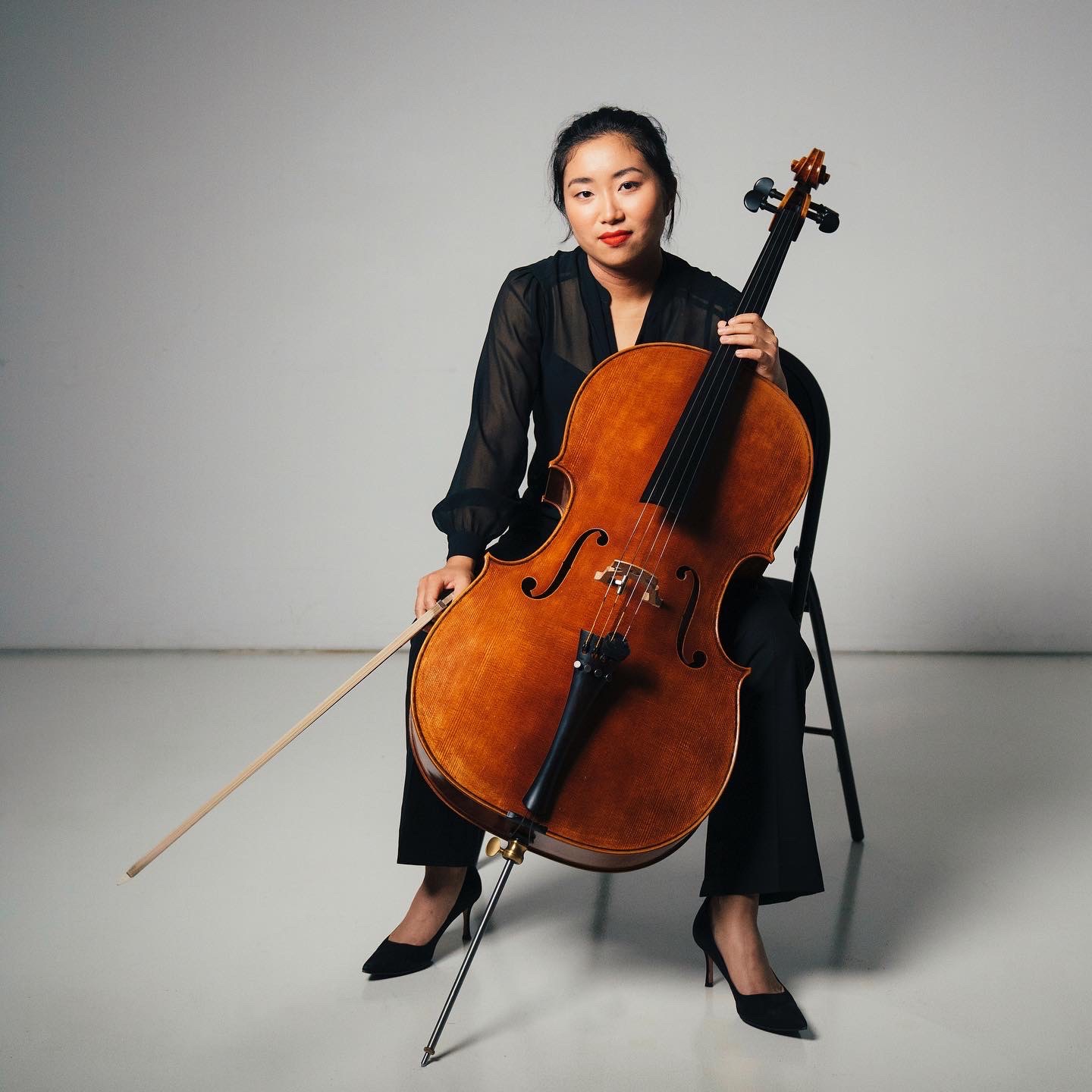
Japanese-American cellist Mari Nagahara has distinguished herself as a promising young talent. Trained and rooted in the Western classical music tradition, her work lives at the junction of collaboration, equity and innovation and seeks to provide a reflective and inclusive tapestry within the classical music landscape.
She has been invited to perform at some of the most prestigious chamber music festivals and programs in the United States and Europe, including the Ravinia Steans Music Institute, the Perlman Music Program Chamber Workshop, the Norfolk Chamber Music Festival at Yale School of Music, the Taos School of Music, and Kneisel Hall, among others. She is a frequent solo artist at the PODIUM Festival Esslingen, a space known for innovative and interdisciplinary programming.
She was a member of l’Académie Studio de l’Orchestre de Paris during the 2022–23 season. As an academist with l’Orchestre de Paris, Mari performed under the batons of esteemed conductors such as Klaus Mäkelä, Herbert Blomstedt, Christoph Eschenbach, Esa-Pekka Salonen, and Jaap van Zweden. During the academy, she took part in an extensive tour, performing across Europe’s most iconic concert halls— including the Musikverein in Vienna, Concertgebouw in Amsterdam, Elbphilharmonie in Hamburg, among others. She is also recent member of the Mahler Chamber Orchestra Academy and has performed in the New York String Orchestra Seminar at Carnegie Hall.
Mari has studied with pedagogues Paul Katz, Gabriel Schwabe, Natasha Brofsky, Carol Ou, Nancy Hair, and is a graduate of the New England Conservatory in Boston, MA and the Hochschule für Musik und Tanz in Cologne, Germany.
She is a member of the International Ensemble Modern Academy (IEMA) for the 25/26 season and resides in Frankfurt am Main, Germany.
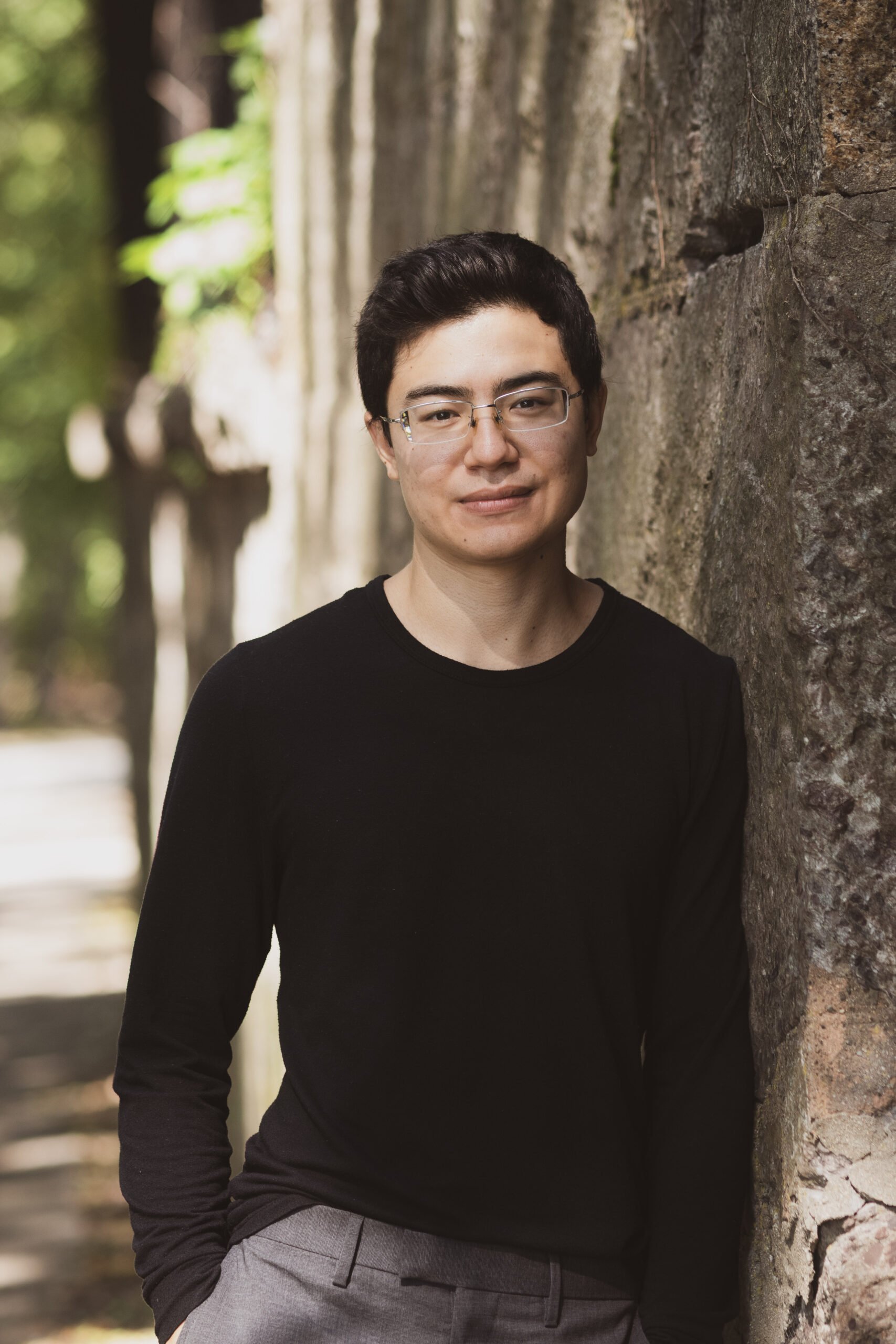
Born in Beijing, China, and raised in Tel-Aviv, Israel, pianist Motti Fang-Bentov hails from a multicultural, east-west background. Described by Mitsuko Uchida as “a fine musician”, and applauded for his “depth of understanding of musical styles” by Jean-Yves Thibodeau, his past performances include appearances as a soloist with the Israeli Philharmonic Orchestra; the Jerusalem Symphony Orchestra; and the New England Conservatory Philharmonia, collaborating with conductors such as Zubin Mehta, Vakhtang Kakhidze and David Loebel. He has given solo performances in Heichal Hatarbut, Tel-Aviv; Jordan Hall, Boston; Sala dei Notari, Perugia; and the Rose Theatre at the Lincoln Center, New York. Motti is also the winner of numerous prizes and competitions: the NEC Concerto & Honors Competition (‘18); the Pnina Zaltsman Piano Competition (‘12, ‘15); and the Ashdod Piano Competition (‘12, ‘15).
In addition to solo work, Motti is a passionate chamber musician and collaborator, and is the pianist of the Boston-based Trio Rai, with whom he has won the bronze medal at the Fischoff Chamber Music Competition (‘21). He also attended Ravinia’s Steans Music Institute, the Norfolk Chamber Music Festival, and the Perlman Chamber Music Workshop. Recent collaborations include performances with Itzhak Perlman, cellist Lawrence Lesser and violinists Tessa Lark and Maria Ioudenitch.
Motti completed his undergraduate and graduate studies at the New England Conservatory in Boston, under the guidance of Alexander Korsantia and Wha-Kyung Byun. In addition to music, Motti loves cooking and has previously worked as a line cook at Sarma, a James Beard nominated middle-eastern restaurant in Somerville. He now resides in Los Angeles with his partner Nadia, and their 4 pound teacup poodle, Boba.
The concerts are generously sponsored by the Paul M. Angell Family Foundation, the Illinois Arts Council and by individual donors.
Program: Dame Myra Hess Memorial Concerts
Seventeenth Church of Christ, Scientist, Chicago, 55 E. Wacker Drive
Program: Dame Myra Hess Memorial Concerts
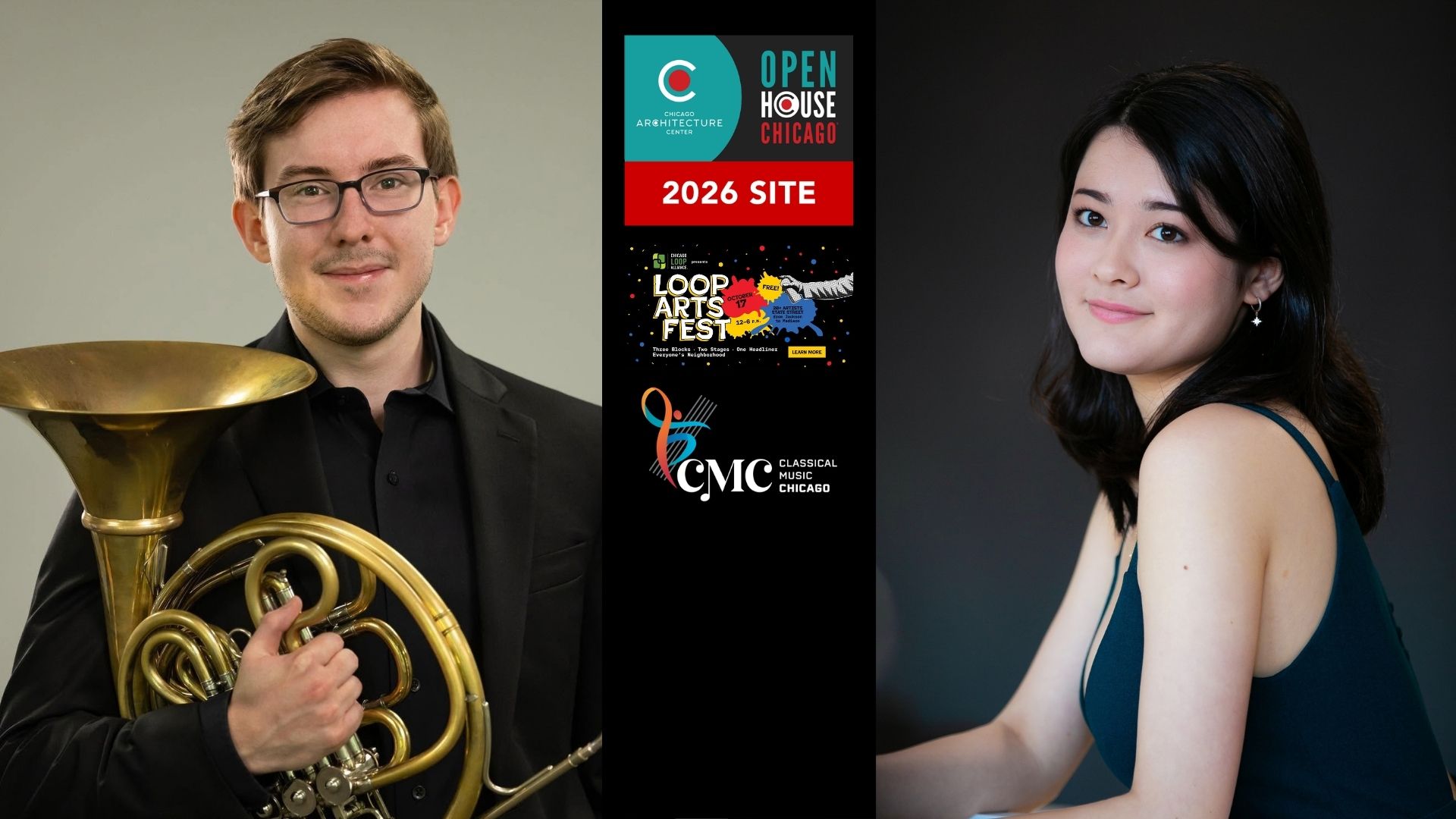
Seventeenth Church of Christ, Scientist, Chicago, 55 E. Wacker Drive
Program: Dame Myra Hess Memorial Concerts
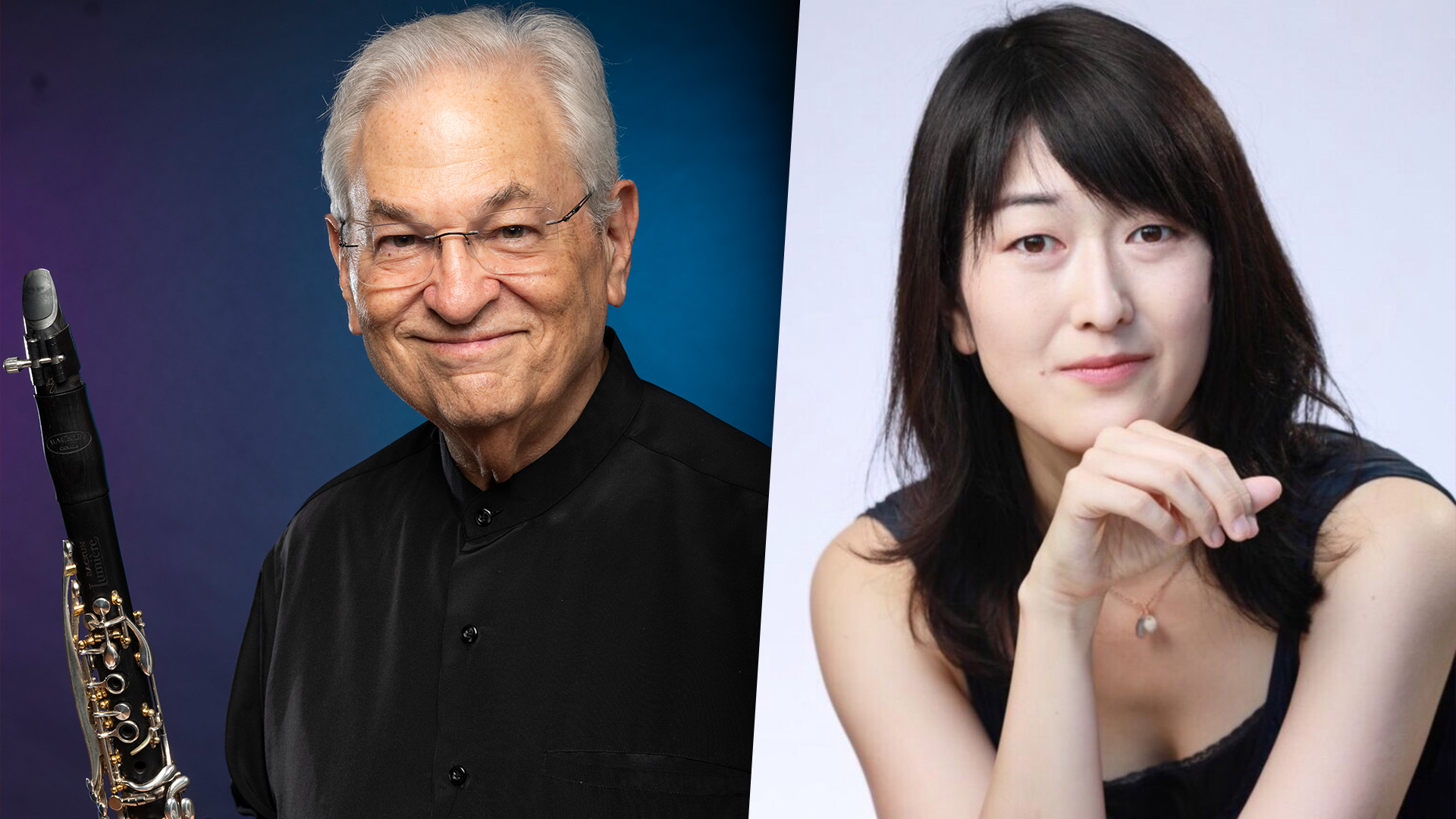
Seventeenth Church of Christ, Scientist, Chicago, 55 E. Wacker Drive