
Distinguished Hess Alumni: Clayton Stephenson, piano
Seventeenth Church of Christ, Scientist, Chicago, 55 E. Wacker Drive


January 27, 2027

12:15 PM

Seventeenth Church of Christ, Scientist, Chicago - 55 E. Wacker Drive
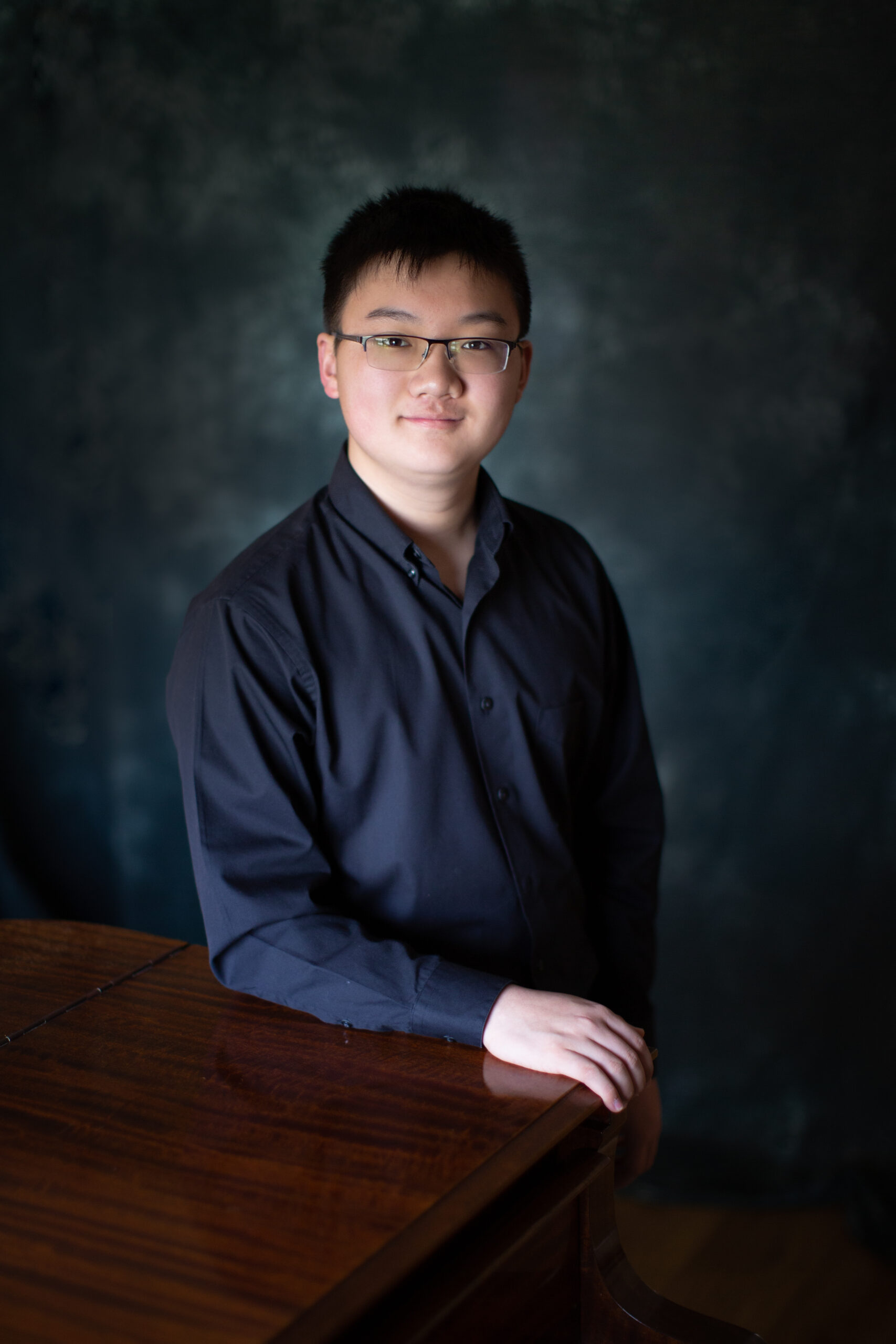
Solomon Ge is a pianist and composer who has performed extensively across the United States and Europe, with orchestras such as the South Carolina Philharmonic, Milwaukee Symphony Orchestra, Minnesota Orchestra, and Richardson Symphony Orchestra, as well as in collaboration with conductors such as Yaniv Dinur, Morihiko Nakahara, Clay Couturiaux, and Hugh Wolff. He has also joined the San Jose Youth Symphony Orchestra as a soloist for a concert tour of Lithuania, Estonia, and Finland, which included a performance in Helsinki’s iconic Church in the Rock.
A dedicated chamber musician, he has spent three summers at the Marlboro Music Festival. A great enthusiast for music from the Second Viennese School, he gave the first Marlboro performances of song cycles by Schoenberg and Webern, alongside Chihiro Asano and Lucy Fitz-Gibbon, during his first two summers there. Other festival experiences include the Ravinia Steans Institute for Piano and Strings, the Four Seasons Chamber Music Festival Spring Workshop, and the IMS Prussia Cove Seminar, in which he was invited to perform works of Schubert and Schoenberg in Cornwall, UK. These formative experiences have allowed him to collaborate with artists such as Mark Steinberg, Marcy Rosen, Sara Bitlloch, Joseph Lin, and Alice Neary, as well as members of the Juilliard and Borromeo String Quartets.
Highlights of his recent performances include his Alice Tully Hall debut, in which he performed Mozart’s Concerto K. 503 with the Juilliard Chamber Orchestra, a solo recital at Tannery Pond, presented by Capital Region Classical, as well as a tour with Musicians from Marlboro, in which he collaborated with Oliver Neubauer and Judith Serkin to perform Haydn Trios in concerts presented by Philadelphia Chamber Music Society, Carnegie Hall, Harvard Musical Association, and the Freer Gallery of Art.
He has recorded and performed his solo piano work, Threnody, for the Pinna Records label, which he wrote as a teenager living through the hardships of the Covid pandemic, and the social isolation it brought. He dedicated all proceeds from the recording’s release to the Jed Foundation, an organization committed to supporting the mental health of teenagers and young adults.
Raised in San Jose, CA, he studied piano with Haggai Niv and Yoshikazu Nagai, composition with Pamela Quist, as well as viola with Yun Jie Liu, whose patient guidance and gorgeous tone opened his ears to the immense beauty of stringed instruments, in spite of his own lack of prowess at the viola. He holds a Bachelor’s Degree from the New England Conservatory, where he studied with Alessio Bax and Haesun Paik, and he is now pursuing a Master’s Degree at the Juilliard School, where he studies with Robert McDonald. Other important mentors and sources of endless wisdom and inspiration to him include Jonathan Biss, Claudio Martinez Mehner, and Mitsuko Uchida.
The concerts are generously sponsored by the Paul Angell Foundation, the Illinois Arts Council and by individual donors.
Program: Dame Myra Hess Memorial Concerts
Seventeenth Church of Christ, Scientist, Chicago, 55 E. Wacker Drive
Program: Dame Myra Hess Memorial Concerts
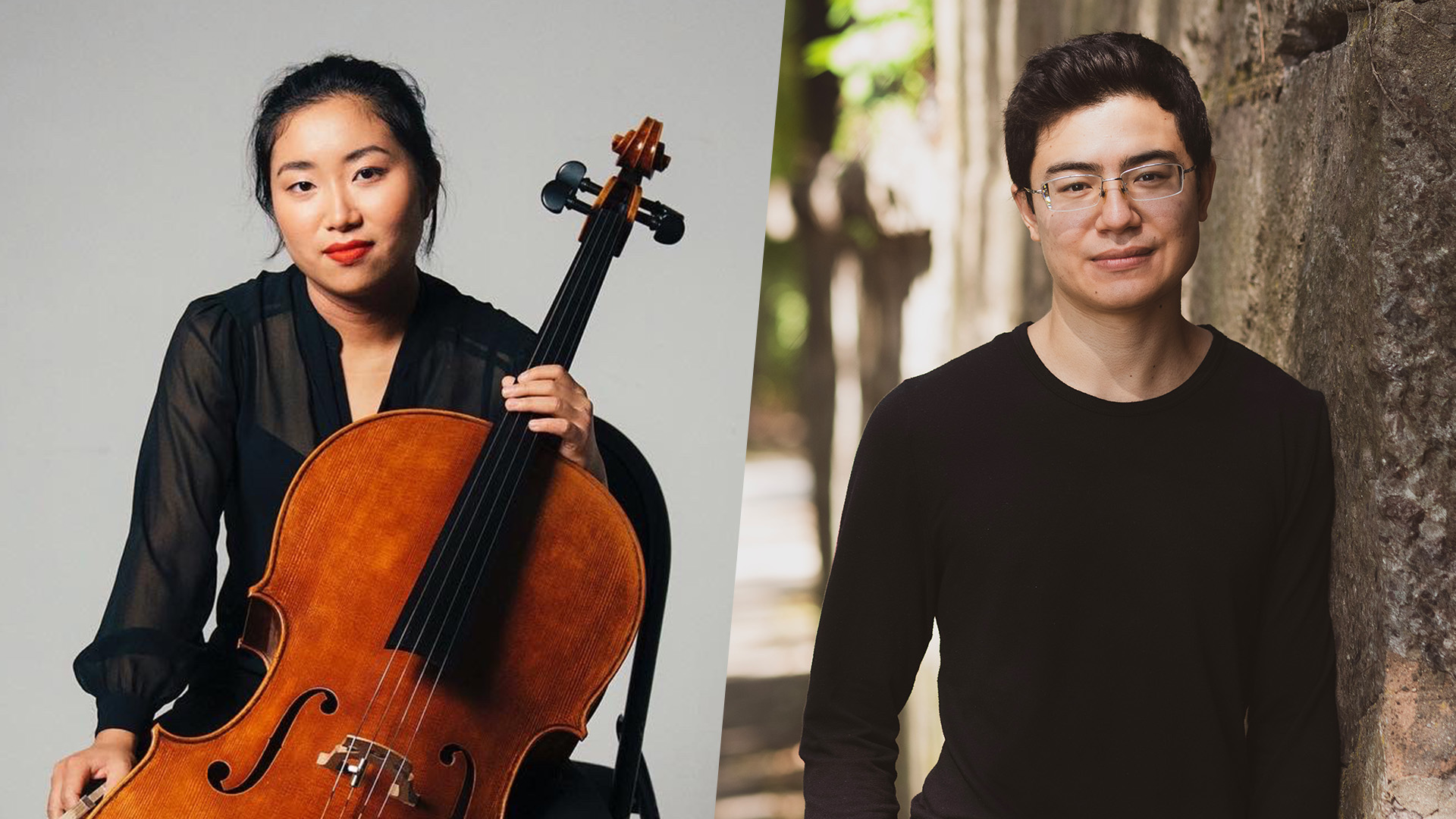
Seventeenth Church of Christ, Scientist, Chicago, 55 E. Wacker Drive
Program: Dame Myra Hess Memorial Concerts
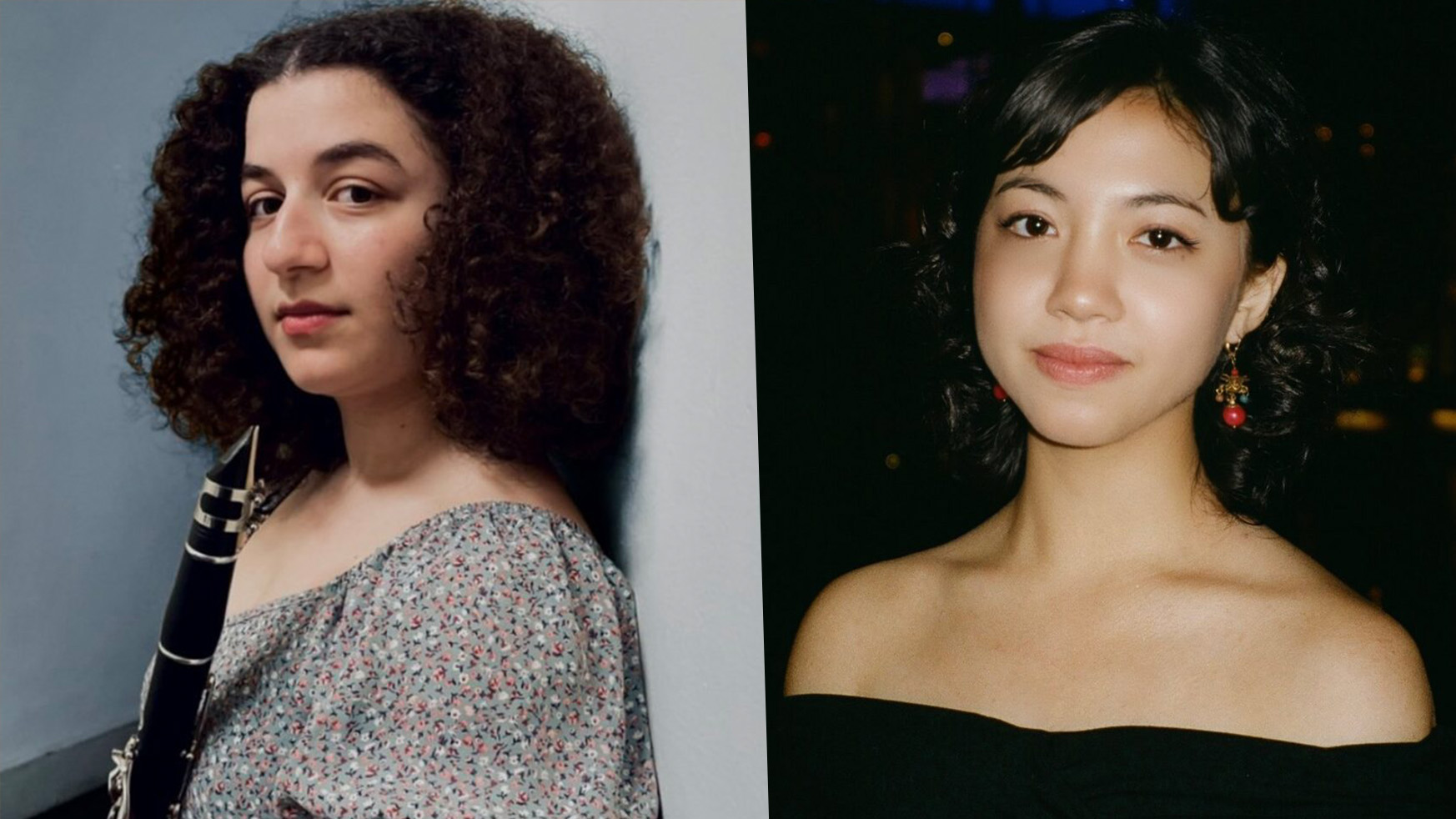
Seventeenth Church of Christ, Scientist, Chicago, 55 E. Wacker Drive